
When sourcing professional lab laboratory equipment, accuracy, reliability, and long-term serviceability matter just as much as price. Whether you’re outfitting a new facility or upgrading an existing lab, choosing the right equipment — and the right supplier — directly impacts workflow efficiency, diagnostic quality, and regulatory compliance.
This guide explains what laboratory equipment includes, how to choose the right systems, and what clinical labs, pathology departments, and research facilities should consider before purchasing.
What Is Laboratory Equipment?
Laboratory equipment refers to the full range of instruments, systems, and tools used in scientific, medical, and clinical laboratories to prepare, process, analyze, and store samples.
According to Wikipedia’s overview of laboratory equipment:
👉 https://en.wikipedia.org/wiki/Laboratory_equipment
In clinical and pathology environments, lab laboratory equipment typically supports:
- Tissue preparation and processing
- Diagnostic testing and analysis
- Sample storage and preservation
- Safety, containment, and contamination control
- Data capture and reporting
For histology, dermatology, and Mohs surgery labs, this equipment forms the backbone of daily operations.
Common Categories of Laboratory Equipment
1. Sample Preparation Equipment
Used to prepare specimens for testing or analysis.
Examples:
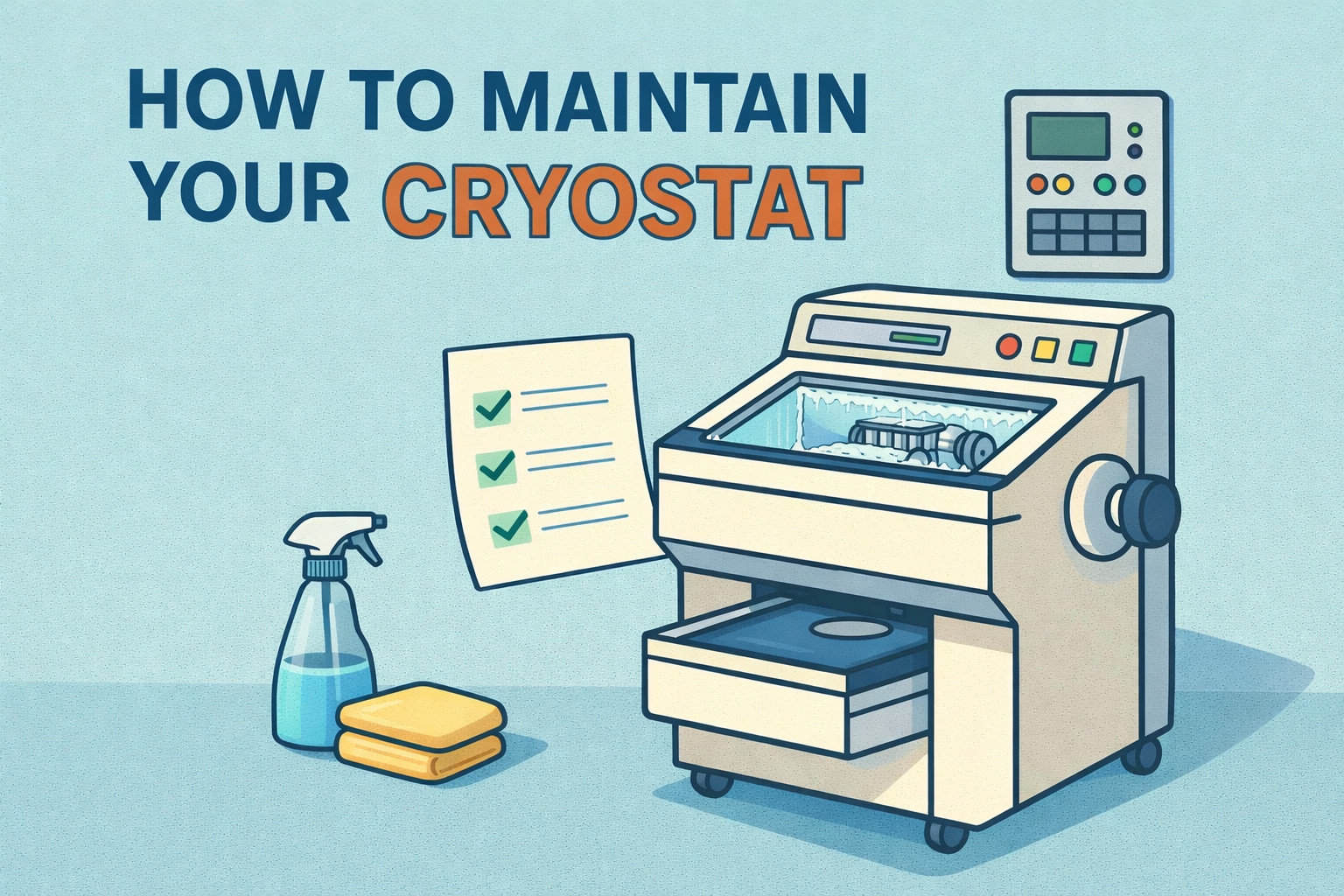
- Cryostats
- Microtomes
- Tissue processors
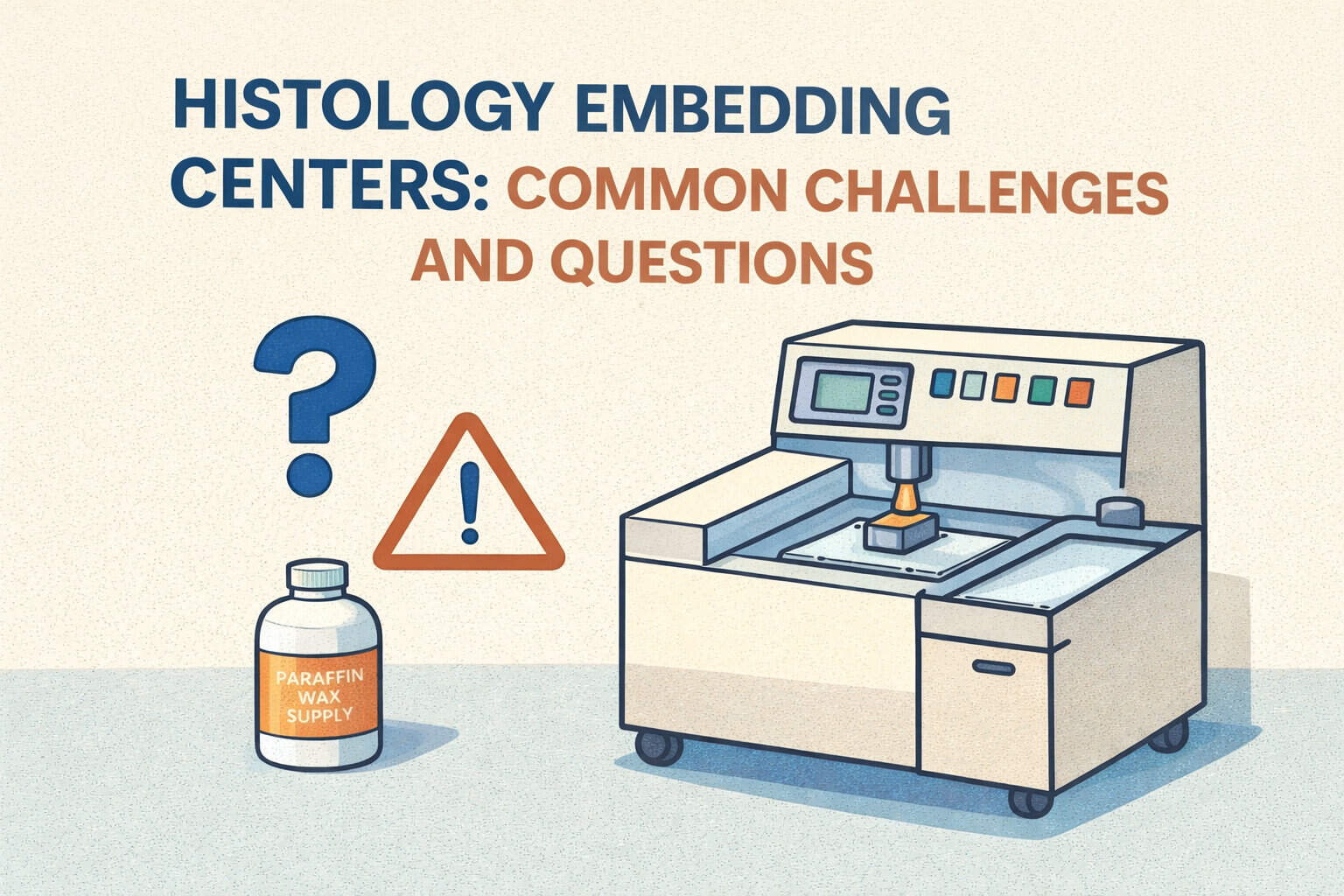
- Embedding centers
- Centrifuges
More on histology equipment standards:
👉 https://www.ncbi.nlm.nih.gov/books/NBK310018/
2. Analytical & Diagnostic Equipment
Used to analyze samples and generate measurable results.
Examples:
- Microscopes
- Spectrophotometers
- Immunohistochemistry systems
- Digital pathology systems
NIH overview of laboratory diagnostics:
👉 https://www.ncbi.nlm.nih.gov/pmc/articles/PMC7146868/
3. Storage & Preservation Equipment
Used to preserve samples, reagents, and specimens under controlled conditions.
Examples:
- Medical-grade refrigerators and freezers
- Cryogenic storage systems
- Slide and block storage cabinets
CDC guidance on specimen storage:
👉 https://www.cdc.gov/laboratory/specimen-storage.html
4. Safety & Containment Equipment
Used to protect staff and prevent contamination or exposure.
Examples:
- Biological safety cabinets
- Fume hoods
- Smoke evacuation systems
- Sharps and biohazard containment
CDC lab safety standards:
👉 https://www.cdc.gov/labsafety/
5. General Lab Support Equipment
Supports daily lab operations and workflow efficiency.
Examples:
- Lab furniture and casework
- Power protection and UPS systems
- Labeling and tracking systems
- Waste handling and disposal systems
Regulatory and Quality Standards
Laboratory equipment must comply with regional and international standards depending on use and jurisdiction.
Common references include:
- FDA medical device regulations: https://www.fda.gov/medical-devices
- ISO 15189 (Medical laboratory quality): https://www.iso.org/standard/76677.html
- WHO laboratory quality standards: https://www.who.int/teams/health-product-and-policy-standards/standards-and-specifications
Ensuring compliance protects patient safety, lab accreditation, and operational integrity.
How to Choose the Right Laboratory Equipment
When selecting lab laboratory equipment, labs should evaluate:
✔ Clinical Application
Ensure the equipment is designed for your specific diagnostic or research workflow.
✔ Compliance & Certification
Verify regulatory approvals and quality certifications.
✔ Serviceability
Access to parts, trained technicians, and preventive maintenance is critical.
✔ Workflow Integration
Compatibility with existing software, staffing, and throughput requirements matters.
✔ Total Cost of Ownership
Consider maintenance, consumables, lifespan, and downtime — not just purchase price.
Why Supplier Choice Matters
Not all suppliers offer the same level of technical support, service, and lifecycle management. A qualified supplier should provide:
- Installation and onboarding
- Preventive maintenance programs
- Repair and service support
- Access to parts and upgrades
- Workflow consultation
This is especially important in clinical and pathology labs where uptime directly impacts patient care.
Laboratory Equipment at Amtech Medical
Amtech Medical specializes in laboratory equipment for:
- Histology laboratories
- Dermatology and Mohs surgery labs
- Pathology departments
- Clinical and research facilities
We focus on providing:
- New and refurbished equipment
- Preventive maintenance and service programs
- Technical support and repair
- Leasing and flexible acquisition options
Our goal is to ensure each system is properly configured, supported, and maintained throughout its lifecycle.
When Should a Lab Upgrade Its Equipment?
Signs it may be time to upgrade include:
- Increasing downtime or failure rates
- Rising repair costs
- Inability to meet current throughput demands
- Compliance or accreditation changes
- Workflow inefficiencies caused by outdated systems
Proactive upgrades help improve turnaround times, reduce errors, and improve overall lab performance.
Final Thoughts
Choosing the right lab laboratory equipment is not just about purchasing instruments — it’s about building a reliable, compliant, and efficient laboratory operation.
By understanding equipment categories, regulatory requirements, and workflow needs — and by working with an experienced supplier — labs can position themselves for long-term success.