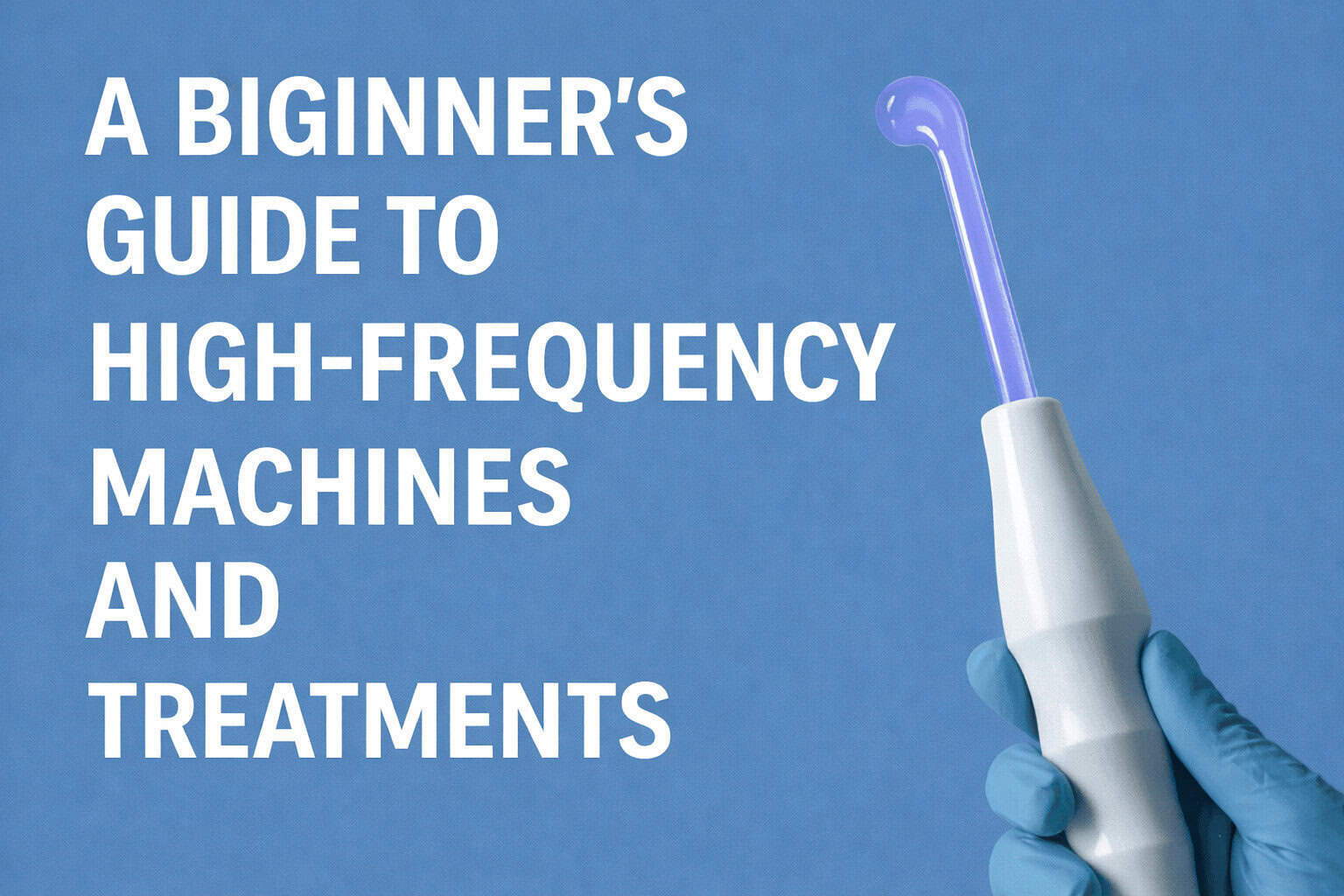
A Beginner’s Guide to High-Frequency Machines and Treatments
What Is High-Frequency Therapy? High-frequency therapy is a cornerstone of professional skincare, trusted by estheticians and medspa professionals for decades. This treatment uses a specialized device to deliver a gentle electrical current through a glass ...
By: Tyler Harper
What Is High-Frequency Therapy?
High-frequency therapy is a cornerstone of professional skincare, trusted by estheticians and medspa professionals for decades. This treatment uses a specialized device to deliver a gentle electrical current through a glass electrode, producing oxygen-enriched molecules that help cleanse, calm, and rejuvenate the skin.
For medspas and skincare clinics, high-frequency treatments are a versatile, results-driven addition to facials and post-extraction routines. They improve skin tone, promote healing, and enhance product absorption—all while remaining completely non-invasive.
Why it’s popular: High-frequency therapy delivers visible results with minimal discomfort or downtime, making it a go-to treatment in modern skincare practices.
How High-Frequency Machines Work
High-frequency systems operate by passing an alternating electrical current through a gas-filled glass electrode. This process creates a mild thermal effect and generates oxygen in the form of ozone, which provides antibacterial and healing benefits.
Mushroom electrodes
Designed for broad facial areas and overall skin treatment.
Spoon or bent electrodes
Ideal for smaller, targeted, or hard-to-reach areas.
Comb electrodes
Used for scalp treatments and hair stimulation.
Key Benefits of High-Frequency Therapy
Stimulates blood flow and lymphatic circulation
Boosts collagen and elastin production
Kills acne-causing bacteria
Accelerates healing after extractions
Improves overall skin vitality and tone
Clinical insight: The combination of oxygenation, mild heat, and electrical stimulation makes high-frequency therapy highly effective for both acne treatment and skin rejuvenation.
Common Professional Applications
In a medspa or clinical skincare setting, high-frequency therapy is widely used across multiple treatment types due to its versatility and non-invasive nature.
Acne Treatment
Ozone generated during treatment helps eliminate acne-causing bacteria while reducing inflammation and redness.
Anti-Aging Facials
Stimulates cellular turnover, softens fine lines, and improves overall skin firmness and elasticity.
Post-Procedure Healing
Calms the skin and accelerates recovery following treatments like extractions or microdermabrasion.
Pro tip: High-frequency therapy pairs seamlessly with treatments like microdermabrasion, chemical peels, and LED therapy—enhancing overall results without adding downtime.
Argon vs. Neon: Choosing the Right Gas
Professional high-frequency machines typically use either argon or neon gas within the electrode. Each produces a different light frequency and is suited for specific skin conditions.
Argon (Blue/Violet Light)
Best for oily and acne-prone skin. Provides strong antibacterial effects and helps reduce active breakouts.
Neon (Red/Orange Light)
Ideal for mature, dry, or sensitive skin. Promotes circulation, collagen production, and overall skin rejuvenation.
Best practice: Multi-function systems with interchangeable electrodes allow providers to treat a wider range of skin types—making them a smart investment for growing medspas.
Safety and Maintenance
When used correctly, high-frequency therapy is safe, effective, and well-tolerated by most clients. However, proper protocols should always be followed.
Avoid use on clients with pacemakers, metal implants, or epilepsy
Disinfect electrodes thoroughly between each client
Adjust intensity settings based on skin type and treatment goals
Maintenance matters:
Routine care and proper device handling ensure consistent performance, safe treatments, and long equipment lifespan—especially in high-volume medspa environments.
Why High-Frequency Equipment Matters in a Professional Setting
High-frequency technology delivers visible, immediate results with minimal discomfort and no downtime—making it a powerful tool in any professional skincare environment.
For medspas, dermatology clinics, and estheticians, it remains one of the most cost-effective and reliable additions to a facial or advanced treatment menu.
Enhances treatment results across multiple services
Improves client satisfaction with immediate skin benefits
Expands service offerings without major capital investment
Supports a results-driven, evidence-based skincare approach
Bottom line: High-frequency machines are a low-cost, high-impact upgrade that can significantly elevate both treatment quality and client experience.
Included in the Package (Example Setup)
A standard professional high-frequency system typically includes the following components:
Main control unit
Multiple glass electrodes (mushroom, bent, comb, and spoon types)
Instruction manual or training guide
Power cord and protective packaging
Note: Included components may vary by manufacturer and model, but most professional systems are designed to support a wide range of treatments out of the box.
Looking for a Professional High-Frequency Machine?
Upgrade your treatment offerings with a reliable, professional-grade system designed for medspas and skincare clinics. The F-806 Professional High Frequency Machine delivers consistent performance, versatile electrode options, and excellent value.
High-frequency therapy improves skin health by increasing circulation, boosting collagen production, and eliminating acne-causing bacteria. It is commonly used to treat acne, fine lines, redness, and even support scalp rejuvenation for hair growth.
2. Is high-frequency treatment safe for all skin types?
Yes, it is safe for most skin types when used properly. However, it should be avoided for clients with pacemakers, metal implants, epilepsy, severe rosacea, or active cystic acne. Always follow manufacturer guidelines and perform patch testing when needed.
3. How often can clients receive high-frequency facials?
Treatments can typically be performed once or twice per week during initial care, then reduced to monthly sessions for maintenance. Frequency should be tailored to the client’s skin condition and goals.
4. What’s the difference between argon and neon high-frequency electrodes?
Argon electrodes (blue/violet light) are best for oily or acne-prone skin due to their antibacterial properties. Neon electrodes (red/orange light) are ideal for dry or mature skin, helping stimulate circulation and collagen production.
5. Can high-frequency therapy be combined with other treatments?
Yes. High-frequency therapy pairs well with microdermabrasion, chemical peels, and LED treatments. These combinations enhance results by improving product absorption and supporting faster healing.
6. What equipment is included in a professional high-frequency system?
A standard system typically includes:
Main control unit
Multiple glass electrodes (mushroom, bent, comb, and spoon)
Power cord and instruction manual
Optional storage case or protective packaging
7. How do I clean and maintain high-frequency electrodes?
After each use, clean electrodes with 70% isopropyl alcohol and allow them to air dry completely. Regular inspection and careful handling help prevent cracks and extend equipment lifespan.
Pro tip: Consistent cleaning and proper usage not only ensure client safety but also maximize the performance and longevity of your high-frequency device.
Steam sterilizers, including autoclaves, rely on clean internal chambers and components to operate effectively. Without regular cleaning, mineral buildup, debris, ...