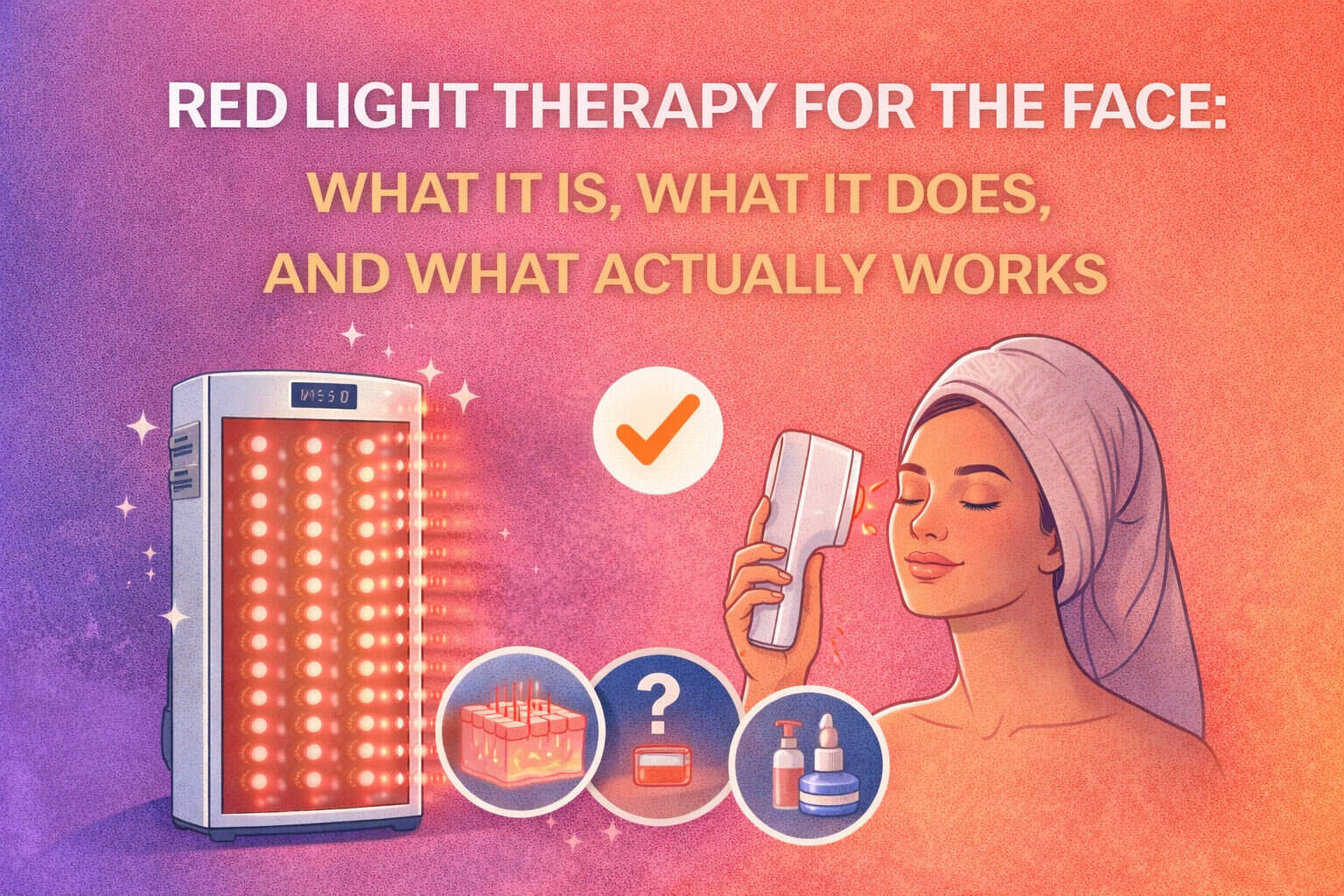
Red Light Therapy for the Face: What It Is, What It Does, and What Actually Works

Red Light Therapy for the Face

Red light therapy for the face has become increasingly popular for improving skin appearance, supporting collagen production, and reducing visible inflammation. While many consumer devices promise dramatic results, not all systems are created equal — and not all claims are supported by clinical evidence.

This guide explains how facial red light therapy works, what benefits are supported by research, and what to look for when evaluating devices for clinical or personal use.


What Is Red Light Therapy for the Face?

Red light therapy for the face uses low-level wavelengths of red or near-infrared light (typically between 630 nm and 850 nm) to stimulate cellular activity in the skin.

Unlike ultraviolet (UV) light, red light is non-ionizing and does not damage DNA. Instead, it is absorbed by mitochondria within skin cells and influences cellular energy production and signaling.

Facial red light therapy is commonly used to:

  • Support collagen and elastin production
  • Improve skin tone and texture
  • Reduce visible redness and inflammation
  • Support healing after dermatologic or aesthetic procedures

How Facial Red Light Therapy Works

Red and near-infrared light penetrate the skin and are absorbed by chromophores within the mitochondria, particularly cytochrome c oxidase. This interaction can increase ATP production and modulate oxidative stress.

This cellular response is why red light therapy is used in:

  • Dermatology
  • Wound and tissue healing
  • Inflammatory skin conditions
  • Post-procedure recovery

For facial applications, this translates into gradual improvements in skin quality rather than immediate cosmetic change.


Benefits of Red Light Therapy for Facial Skin

Based on current evidence, potential benefits include:

  • Improvement in the appearance of fine lines and wrinkles
  • Increased collagen density over time
  • Reduced redness and inflammation
  • Faster recovery after cosmetic treatments
  • Improved overall tone and texture of the skin

Results depend on wavelength, dose, consistency, and device quality.


Clinical-Grade vs Consumer Red Light Devices

Not all facial red light therapy devices are equal.

Consumer Devices

  • Lower power output
  • Limited treatment area
  • Often inconsistent wavelengths
  • Subtle results over long periods

Clinical-Grade Systems

  • Precisely controlled wavelengths (630 nm, 660 nm, 810 nm, 830 nm)
  • Higher output and uniform coverage
  • Designed for repeatable, consistent dosing
  • Used in dermatology and aesthetic practices

Is Red Light Therapy Safe for the Face?

Red light therapy is generally considered safe when used properly.

However:

  • Eye protection should be used
  • Overuse can cause temporary redness or irritation
  • Devices should meet safety and electrical standards
  • Users on photosensitizing medications should consult a healthcare provider

How Often Should Red Light Therapy Be Used on the Face?

Typical protocols range from:

  • 2–5 sessions per week
  • 5–20 minutes per session depending on output and distance
  • Dosing based on device type and clinical guidance

Consistency matters more than intensity.


Who Is Facial Red Light Therapy Best For?

Facial red light therapy may be appropriate for:

  • Individuals seeking gradual skin quality improvement
  • Patients recovering from dermatologic or cosmetic procedures
  • Clinics offering non-invasive aesthetic treatments
  • People managing inflammatory skin conditions under guidance

It is not a medical treatment for disease and should not replace professional care.


Final Thoughts

Facial red light therapy can be a useful, low-risk tool for improving skin appearance and supporting tissue recovery when applied correctly with appropriate devices.

Understanding realistic outcomes and proper use is essential to avoid misinformation and disappointment.

If you are evaluating red light therapy systems for professional or clinical use, working with an experienced equipment supplier can help ensure safety, reliability, and effectiveness.


Additional Resources & References

Cleveland Clinic — Red Light Therapy: Benefits & Uses
https://my.clevelandclinic.org/health/articles/22114-red-light-therapy
A clinical overview of red light therapy’s benefits, limitations, and how it’s used to support skin health and other conditions.

American Academy of Dermatology — Red Light Therapy for Skin
https://www.aad.org/public/cosmetic/safety/red-light-therapy
Expert guidance on what red light therapy is, how it works, and considerations for safety and effectiveness from a leading dermatology authority.

FDA Draft Guidance on Photobiomodulation (PBM) Devices
https://www.fda.gov/regulatory-information/search-fda-guidance-documents/photobiomodulation-pbm-devices-premarket-notification-510k-submissions
U.S. Food and Drug Administration draft guidance on regulatory considerations for low-level light therapy devices such as red light therapy systems.

Brown Health — Red Light Therapy Safety & Things to Know
https://www.brownhealth.org/be-well/red-light-therapy-benefits-safety-and-things-know
Educational health resource discussing red light therapy benefits, safety considerations, and how it may support skin healing and collagen production.

WebMD — Red Light Therapy: Effectiveness, Treatment, and Risks
https://www.webmd.com/skin-problems-and-treatments/red-light-therapy
A consumer health overview of LED and red light therapy, how it’s applied, and what users should understand about its uses and limitations.


Red Light Therapy for Sleep: Does It Work, How It Works, and What to Know

Red Light Therapy for Sleep Does It Work, How It Works, and What to Know

Sleep problems are increasingly common, driven by artificial lighting, screen exposure, irregular schedules, and circadian rhythm disruption. This has led many people to explore whether red light therapy for sleep can improve sleep quality, reduce sleep latency, or support healthier circadian rhythms.

This guide explains whether red light therapy works for sleep, how it affects the body, what the research suggests, and how to use it appropriately.


Does Red Light Therapy Work for Sleep?

Red light therapy does not act as a sedative or sleeping pill. Instead, it may support sleep indirectly by influencing circadian biology, melatonin production, and nervous system regulation.

Some studies suggest that red and near-infrared light exposure may:

  • Support circadian rhythm alignment
  • Reduce sympathetic nervous system activity
  • Improve melatonin regulation indirectly
  • Promote relaxation before bedtime
  • Reduce sleep-disrupting blue light exposure

This is why red light is often used in the evening or at night instead of white or blue light.


How Red Light Therapy Works

Light strongly influences the brain’s internal clock (the circadian rhythm), which is regulated by the suprachiasmatic nucleus in the hypothalamus.

Blue and White Light

  • Suppress melatonin
  • Increase alertness
  • Shift circadian phase later
  • Delay sleep onset

Red Light

  • Has minimal effect on melatonin suppression
  • Does not strongly signal “daytime” to the brain
  • Is less alerting than white or blue light
  • May promote parasympathetic (relaxation) activity

This makes red light more compatible with evening routines and sleep preparation.


Red Light Therapy vs Light Therapy for SAD

It’s important to distinguish between:

  • Bright light therapy (10,000 lux white light used in the morning for SAD and circadian resetting), and
  • Red light therapy, which is low-level light in specific wavelengths used for photobiomodulation and relaxation.

Bright light therapy is stimulating and should not be used near bedtime. Red light therapy may be used in the evening because it does not strongly suppress melatonin.


Potential Benefits of Red Light Therapy for Sleep

People using red light therapy in the evening report:

  • Faster sleep onset
  • Improved sleep quality
  • Fewer nighttime awakenings
  • Reduced evening anxiety or hyperarousal
  • Less disruption from artificial lighting

However, effects vary, and red light therapy should be viewed as a supportive tool rather than a standalone sleep treatment.


What the Research Suggests

Research on red light therapy and sleep is still emerging. Some studies show improvements in:

  • Sleep quality
  • Melatonin rhythm stability
  • Recovery and relaxation
  • Autonomic nervous system balance

However, large randomized trials are limited, and more research is needed to make definitive claims.


How to Use Red Light Therapy for Sleep

If using red light therapy for sleep support:

  • Use it in the evening, 30–60 minutes before bed
  • Keep sessions short (5–15 minutes)
  • Use low-intensity, indirect exposure
  • Avoid looking directly into bright light
  • Combine with other sleep hygiene practices

Other Factors That Matter for Sleep

Red light therapy works best when combined with:

  • Limiting blue light exposure at night
  • Keeping consistent sleep and wake times
  • Maintaining a cool, dark sleeping environment
  • Avoiding caffeine and heavy meals before bed
  • Managing stress and anxiety

Red light therapy should support these habits, not replace them.


Who Might Benefit From Red Light Therapy for Sleep?

It may be helpful for:

  • People with circadian rhythm disruption
  • Shift workers or frequent travelers
  • Individuals sensitive to blue light exposure
  • People with mild sleep onset difficulties
  • Those seeking non-pharmacologic sleep support

It is not a treatment for severe insomnia, sleep apnea, or psychiatric sleep disorders.


Safety Considerations

Red light therapy is generally safe when used properly, but:

  • Eye protection is recommended
  • Avoid excessive intensity or duration
  • Avoid use on suspicious skin lesions
  • Consult a healthcare provider if pregnant, photosensitive, or under medical treatment

Final Thoughts

Red light therapy for sleep may help support healthier sleep patterns by reducing melatonin suppression, promoting relaxation, and supporting circadian rhythm alignment.

It is not a sedative or cure for sleep disorders, but it can be a useful addition to a broader sleep hygiene and wellness strategy.

Understanding how it works, when to use it, and what it can realistically do helps set appropriate expectations and avoid misinformation.


Additional Resources & References

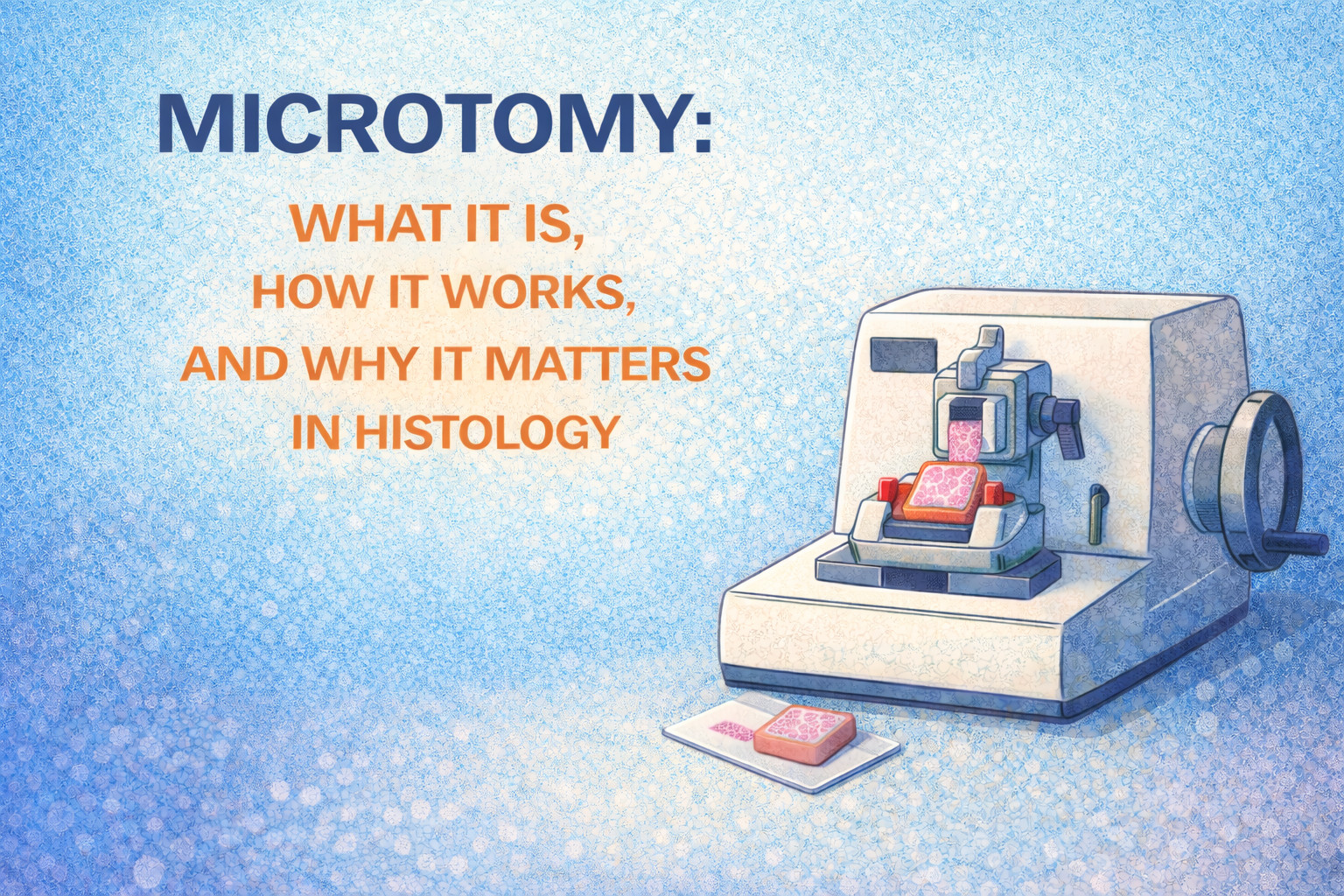
Microtomy: What It Is, How Tissue Sectioning Works, and Why It Matters in Histology

Microtomy What It Is, How It Works, and Why It Matters in Histology

Microtomy is the process of cutting extremely thin slices of biological tissue so they can be examined under a microscope. These sections are essential for accurate diagnosis, research, and teaching in histology and pathology. Precision during this step directly affects slide quality, staining consistency, and microscopic interpretation.

This guide explains how tissue sectioning works, what equipment is involved, common challenges laboratories face, and why technique matters just as much as the tools used.


What Microtomy Is and Why It’s Used

In histology, tissue samples must be thin enough for light to pass through them evenly. Most routine laboratory sections are cut between 3 and 5 microns, though some applications require thicker or thinner sections depending on the diagnostic or research goal.

This technique is used in:

  • Clinical pathology laboratories
  • Hospitals and outpatient surgical centers
  • Research and academic institutions
  • Veterinary and forensic labs

Without consistent section thickness and clean ribbon formation, staining artifacts and distorted structures can compromise results.


How the Tissue Sectioning Process Works

Microtomy is one step in a controlled workflow designed to preserve tissue structure from collection to microscope slide.

1. Fixation

Tissue is preserved using fixatives such as formalin to prevent degradation and autolysis.

2. Processing

Water is removed and replaced with paraffin or freezing media, preparing the specimen for support during cutting.

3. Embedding

The tissue is positioned inside a paraffin block or frozen medium so the area of interest is correctly oriented at the block face.

4. Sectioning

Thin sections are cut using a microtome or cryostat. The goal is to produce a smooth ribbon of sections with uniform thickness.

5. Mounting

Sections are floated on a warm water bath to remove wrinkles and then mounted onto glass slides.

6. Staining

Slides are stained to highlight cellular and structural details for microscopic evaluation.

Each step influences the next, but sectioning is where most quality issues become visible.


Types of Microtomy Techniques

Different applications require different approaches to tissue preparation and cutting.

Paraffin Sectioning

The most common method for routine histology. Paraffin provides support while allowing sections to be cut as thin and consistent as possible.

Frozen Sectioning

Performed using a cryostat, this method allows for rapid analysis during surgical procedures. Frozen tissue is cut at low temperatures, but section quality can be more challenging to control.

Resin and Semi-Thin Sectioning

Used primarily in research, semi thin sections allow higher resolution than paraffin while remaining suitable for light microscopy.


Equipment Used in Microtomy

Accurate sectioning depends on both the instrument and supporting tools.

Common equipment includes:

  • Rotary and sliding microtomes
  • Cryostats for frozen tissue
  • Disposable or reusable blades
  • Water baths and slide warmers

Blade condition, alignment, and cleanliness all play a critical role in preventing defects such as chatter or compression.


Key Variables That Affect Section Quality

Even with good equipment, technique determines results. Several variables influence how cleanly tissue is cut.

Block Face Preparation

An uneven block face can cause tearing or incomplete sections. Proper trimming ensures consistent contact between tissue and blade.

Cut Speed

Excessive cut speed can compress tissue or cause chatter. Slower, controlled motion improves ribbon formation.

Temperature and Thermal Expansion

Paraffin and tissue expand and contract with temperature changes. Improper cooling can lead to cracking, compression, or distorted morphology due to thermal expansion.

Air Bubbles

Trapped air bubbles in the paraffin block weaken support and often result in holes or skipped areas within sections.


Common Sectioning Problems and How to Fix Them

IssueLikely CauseRecommended Fix
Wrinkled sectionsBlock too warmChill block and reduce cutting speed
CompressionDull blade or high speedReplace blade and slow the cut
ChatterHard tissue or vibrationAdjust blade angle and stabilize block
Poor ribbon formationUneven block faceRe-trim block evenly
TearingAir pockets in paraffinRe-embed tissue if needed

Identifying these problems early helps prevent wasted slides and repeat work.


Why Microtomy Quality Matters

Accurate diagnosis relies on clear, artifact-free slides. Inconsistent thickness or damaged tissue can:

  • Mask cellular detail
  • Affect stain uptake
  • Lead to misinterpretation

Well-executed sectioning ensures reproducibility, reduces rework, and supports confident clinical decisions.


Who Performs Microtomy

This work is typically carried out by trained professionals, including:

  • Histotechnologists (HT / HTL)
  • Pathology technicians
  • Research histology specialists

Experience improves consistency, especially when working with challenging tissues or specialized applications.


Final Thoughts

Microtomy is more than simply cutting tissue—it is a precision skill that combines proper preparation, controlled technique, and well-maintained equipment. When performed correctly, it produces reliable, high-quality slides that form the foundation of histologic analysis.

Understanding how variables like block preparation, cut speed, and temperature interact allows laboratories to improve outcomes, reduce artifacts, and maintain diagnostic accuracy.


Additional Resources & References


Daavlin 7 Series Phototherapy Unit: Buying, Selling, Pricing, and What to Know

If you’re researching the Daavlin Series 7 phototherapy unit, you’re likely in one of three situations:

  • You’re looking to buy one
  • You already own one and are considering selling it
  • You’re trying to understand the Daavlin 7 Series price and whether it makes sense for your practice or situation

This guide explains what the Daavlin Series 7 is, how it’s used, what affects its value and pricing, and how to buy or sell one responsibly.


If you’re researching the Daavlin 7 Series, you’re typically in one of three situations:

  • You’re looking to buy a Daavlin 7 Series phototherapy unit
  • You already own a Daavlin 7 Series and are considering selling it
  • You’re trying to understand the Daavlin 7 Series price and whether it makes sense for your clinic, practice, or home-therapy program

This guide explains what the Daavlin 7 Series is, how it’s used, what affects its value and pricing, and how to responsibly buy or sell a Daavlin 7 Series phototherapy unit.


What Is the Daavlin 7 Series?

The Daavlin 7 Series is a full-body clinical phototherapy cabinet designed to treat psoriasis, vitiligo, and other photoresponsive skin conditions using:

  • Narrowband UVB (311 nm)
  • UVA
  • Combination-spectrum lamp configurations

The Daavlin 7 Series is commonly used in:

  • Dermatology clinics
  • Hospital outpatient departments
  • Physician-supervised home phototherapy programs

The Daavlin 7 Series phototherapy cabinet is known for its high-output design, consistent dosing, and durable clinical-grade construction, making it one of the most widely recognized full-body phototherapy systems in use today.


Who Buys a Daavlin 7 Series?

Typical buyers of the Daavlin 7 Series include:

  • Dermatology and phototherapy clinics
  • Hospitals and outpatient care centers
  • Specialty practices expanding light-therapy services
  • Patients enrolled in physician-directed home phototherapy programs

Buyers evaluating a Daavlin 7 Series typically look for:

  • Verified manufacturer and model (Daavlin 7 Series)
  • Known usage and service history
  • Proper electrical and safety compliance
  • Availability of replacement lamps and service parts
  • Professional inspection and long-term support

What Is the Daavlin 7 Series Price?

The Daavlin 7 Series price can vary significantly based on whether the unit is new or used, its configuration, and its overall condition.

Factors that influence Daavlin 7 Series pricing include:

  • Lamp type (Narrowband UVB vs UVA vs combination)
  • Number of lamps and cabinet configuration
  • Year of manufacture
  • Cosmetic and functional condition
  • Documented service history
  • Parts and lamp availability
  • Shipping, freight, and logistics

Because new clinical phototherapy cabinets represent a substantial investment, many clinics and individuals choose to buy used Daavlin 7 Series units or sell existing units when upgrading equipment.


Can You Sell a Used Daavlin 7 Series?

Yes — used Daavlin 7 Series phototherapy units can often be resold, depending on condition, configuration, and serviceability.

At Amtech Medical, we actively evaluate and purchase Daavlin 7 Series units that meet clinical, safety, and service standards.


What Affects the Resale Value of a Daavlin 7 Series?

Several factors determine the resale value of a Daavlin 7 Series phototherapy cabinet:

Lamp Configuration

Narrowband UVB (311 nm) Daavlin 7 Series systems typically have the highest demand.

Age and Usage

Newer units with documented maintenance history generally retain more value.

Physical Condition

Units with intact doors, panels, wiring, controls, and enclosures command higher resale prices.

Serviceability

Ongoing availability of replacement lamps and service parts is critical.

Location and Logistics

Freight access, pickup requirements, and shipping distance can affect final pricing.


Information We Need to Evaluate Your Daavlin 7 Series

If you’re considering selling a Daavlin 7 Series, please provide:

  • Manufacturer and model: Daavlin 7 Series
  • Lamp type and lamp count
  • Year of manufacture or original purchase
  • Current functional and cosmetic condition
  • Location (city and state)
  • Clear photos, including:
    • Front of the unit
    • Manufacturer label / serial plate
    • Control panel
    • Lamp area (if accessible)

How to Sell Your Daavlin 7 Series to Amtech Medical

We make selling your Daavlin 7 Series phototherapy unit straightforward:

  1. Send us your unit details and photos
  2. We review the information and confirm fit
  3. If the unit qualifies, we follow up with an offer or next steps

Contact Information:

Email: info@amtechmedical.com
Subject Line: Daavlin 7 Series for Sale

Or use our contact form for additional information.


Why Work With Amtech Medical?

We specialize in clinical-grade dermatology and phototherapy equipment, including the Daavlin 7 Series. That means:

  • We understand phototherapy systems
  • We know how to properly evaluate Daavlin 7 Series units
  • We ensure safe, compliant resale
  • We support equipment throughout its lifecycle

Our goal is to ensure that any Daavlin 7 Series phototherapy unit we purchase or resell remains safe, supported, and appropriate for clinical or supervised use.


Final Thoughts on the Daavlin 7 Series

Whether you’re buying, selling, or researching the Daavlin 7 Series price, working with an experienced medical equipment provider helps ensure a safe, informed, and financially sound decision.

If you have a Daavlin 7 Series you’re considering selling — or if you’re evaluating options to acquire one — Amtech Medical is happy to help.


Frequently Asked Questions

1. What is the Daavlin 7 Series used for?

The Daavlin 7 Series is a full-body clinical phototherapy cabinet used to deliver UVA or Narrowband UVB (311 nm) light therapy for psoriasis, vitiligo, and other photoresponsive skin conditions under medical supervision.

2. Do you buy used Daavlin 7 Series phototherapy units?

Yes. We purchase used Daavlin 7 Series units that are clinical-grade, complete, and suitable for safe resale based on condition and serviceability.

3. What information do you need to make an offer?

We need the lamp type, lamp count, age, condition, location, and clear photos of the Daavlin 7 Series, including the control panel and manufacturer label.

4. What affects the value of a used Daavlin 7 Series?

Value is influenced by lamp configuration, age, cosmetic and functional condition, completeness, parts availability, and shipping logistics.

5. Can individuals sell a Daavlin 7 Series, or only clinics?

Both. Clinics, hospitals, dermatology practices, distributors, and individuals can submit a Daavlin 7 Series for evaluation.

6. Do you help with shipping or pickup?

In many cases, yes. Once we review your details, we’ll confirm the best pickup or freight options.


Additional Resources & References

Laboratory Equipment: A Complete Guide for Clinical, Research, and Histology Labs

Lab Laboratory Equipment

When sourcing professional lab laboratory equipment, accuracy, reliability, and long-term serviceability matter just as much as price. Whether you’re outfitting a new facility or upgrading an existing lab, choosing the right equipment — and the right supplier — directly impacts workflow efficiency, diagnostic quality, and regulatory compliance.

This guide explains what laboratory equipment includes, how to choose the right systems, and what clinical labs, pathology departments, and research facilities should consider before purchasing.


What Is Laboratory Equipment?

Laboratory equipment refers to the full range of instruments, systems, and tools used in scientific, medical, and clinical laboratories to prepare, process, analyze, and store samples.

According to Wikipedia’s overview of laboratory equipment:
👉 https://en.wikipedia.org/wiki/Laboratory_equipment

In clinical and pathology environments, lab laboratory equipment typically supports:

  • Tissue preparation and processing
  • Diagnostic testing and analysis
  • Sample storage and preservation
  • Safety, containment, and contamination control
  • Data capture and reporting

For histology, dermatology, and Mohs surgery labs, this equipment forms the backbone of daily operations.


Common Categories of Laboratory Equipment

1. Sample Preparation Equipment

Used to prepare specimens for testing or analysis.

Examples:

  • Cryostats
  • Microtomes
  • Tissue processors
  • Embedding centers
  • Centrifuges

More on histology equipment standards:
👉 https://www.ncbi.nlm.nih.gov/books/NBK310018/


2. Analytical & Diagnostic Equipment

Used to analyze samples and generate measurable results.

Examples:

  • Microscopes
  • Spectrophotometers
  • Immunohistochemistry systems
  • Digital pathology systems

NIH overview of laboratory diagnostics:
👉 https://www.ncbi.nlm.nih.gov/pmc/articles/PMC7146868/


3. Storage & Preservation Equipment

Used to preserve samples, reagents, and specimens under controlled conditions.

Examples:

  • Medical-grade refrigerators and freezers
  • Cryogenic storage systems
  • Slide and block storage cabinets

CDC guidance on specimen storage:
👉 https://www.cdc.gov/laboratory/specimen-storage.html


4. Safety & Containment Equipment

Used to protect staff and prevent contamination or exposure.

Examples:

  • Biological safety cabinets
  • Fume hoods
  • Smoke evacuation systems
  • Sharps and biohazard containment

CDC lab safety standards:
👉 https://www.cdc.gov/labsafety/


5. General Lab Support Equipment

Supports daily lab operations and workflow efficiency.

Examples:

  • Lab furniture and casework
  • Power protection and UPS systems
  • Labeling and tracking systems
  • Waste handling and disposal systems

Regulatory and Quality Standards

Laboratory equipment must comply with regional and international standards depending on use and jurisdiction.

Common references include:

Ensuring compliance protects patient safety, lab accreditation, and operational integrity.


How to Choose the Right Laboratory Equipment

When selecting lab laboratory equipment, labs should evaluate:

✔ Clinical Application

Ensure the equipment is designed for your specific diagnostic or research workflow.

✔ Compliance & Certification

Verify regulatory approvals and quality certifications.

✔ Serviceability

Access to parts, trained technicians, and preventive maintenance is critical.

✔ Workflow Integration

Compatibility with existing software, staffing, and throughput requirements matters.

✔ Total Cost of Ownership

Consider maintenance, consumables, lifespan, and downtime — not just purchase price.


Why Supplier Choice Matters

Not all suppliers offer the same level of technical support, service, and lifecycle management. A qualified supplier should provide:

  • Installation and onboarding
  • Preventive maintenance programs
  • Repair and service support
  • Access to parts and upgrades
  • Workflow consultation

This is especially important in clinical and pathology labs where uptime directly impacts patient care.


Laboratory Equipment at Amtech Medical

Amtech Medical specializes in laboratory equipment for:

  • Histology laboratories
  • Dermatology and Mohs surgery labs
  • Pathology departments
  • Clinical and research facilities

We focus on providing:

  • New and refurbished equipment
  • Preventive maintenance and service programs
  • Technical support and repair
  • Leasing and flexible acquisition options

Our goal is to ensure each system is properly configured, supported, and maintained throughout its lifecycle.


When Should a Lab Upgrade Its Equipment?

Signs it may be time to upgrade include:

  • Increasing downtime or failure rates
  • Rising repair costs
  • Inability to meet current throughput demands
  • Compliance or accreditation changes
  • Workflow inefficiencies caused by outdated systems

Proactive upgrades help improve turnaround times, reduce errors, and improve overall lab performance.


Final Thoughts

Choosing the right lab laboratory equipment is not just about purchasing instruments — it’s about building a reliable, compliant, and efficient laboratory operation.

By understanding equipment categories, regulatory requirements, and workflow needs — and by working with an experienced supplier — labs can position themselves for long-term success.

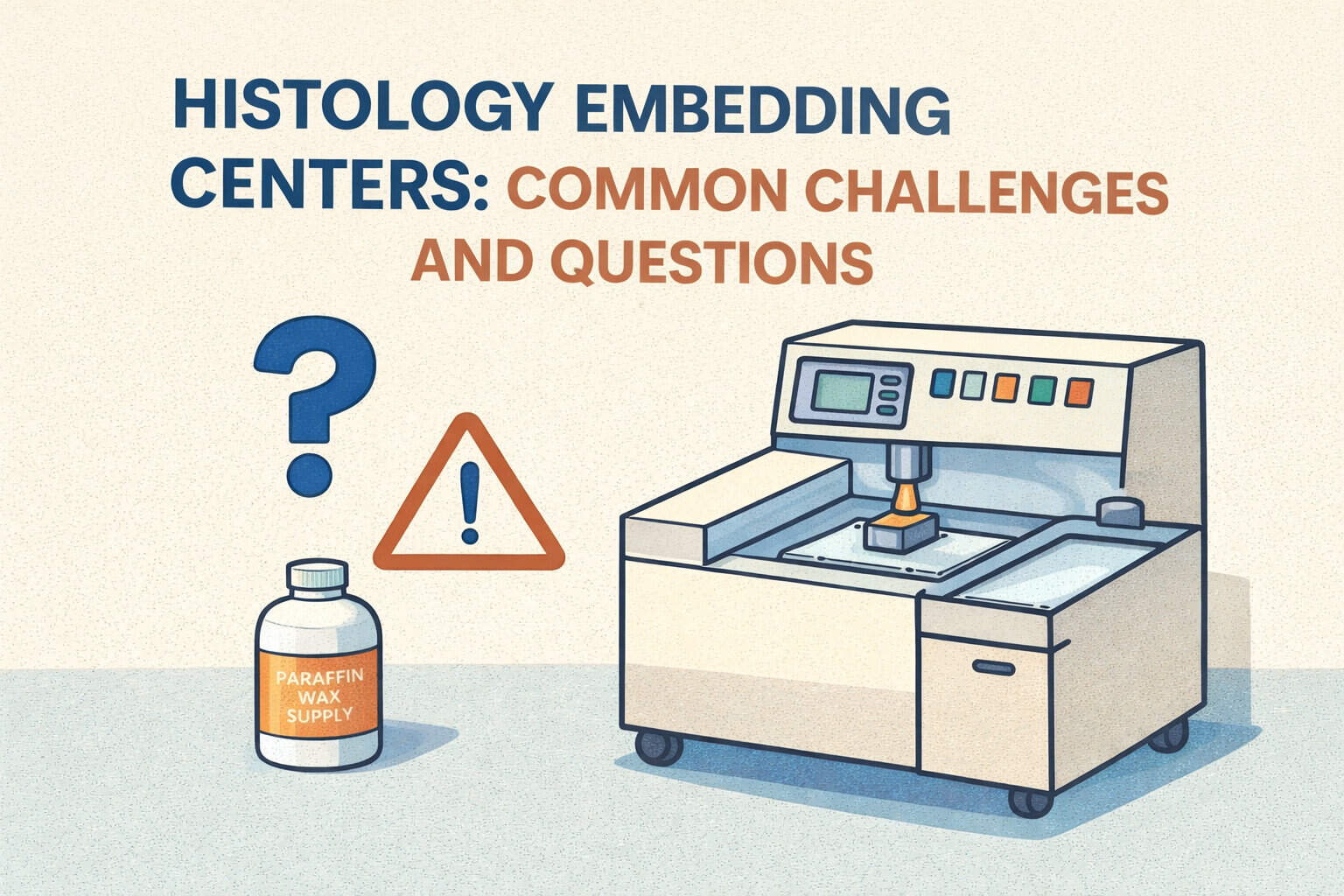
Histology Embedding Centers: Common Challenges and Questions

Histology Embedding Centers Common Challenges and Questions

Introduction to Histology Embedding Centers

Histology embedding centers play a critical role in modern histopathology laboratories. They serve as the central workstation where tissue specimens are prepared for microscopic examination, enabling accurate diagnosis, research, and clinical decision-making.

The embedding process involves carefully positioning tissue samples into a supportive medium—most commonly paraffin wax—to allow for precise sectioning using a microtome. This process requires a high level of technical precision, proper temperature control, and skilled handling to preserve tissue structure and integrity.

Because diagnostic accuracy depends heavily on the quality of tissue preparation, histology embedding centers are among the most important components of the tissue processing workflow. Even small errors during embedding can impact slide quality, potentially affecting diagnostic interpretation and research outcomes.

Why Histology Embedding Centers Are Essential in Tissue Processing

Histology embedding centers ensure that biological tissues are properly stabilized and prepared for thin sectioning. This preparation allows pathologists and researchers to examine cellular structures clearly under a microscope.

Embedding occurs after fixation and dehydration, which preserve and prepare tissue samples for long-term analysis. The embedding medium surrounds the tissue, providing structural support so thin, uniform sections can be cut without distortion.

Key functions of histology embedding centers include:
  • Stabilizing tissue samples for microtome sectioning
  • Maintaining optimal embedding medium temperature
  • Allowing precise orientation of tissue structures
  • Ensuring consistent specimen preparation
  • Supporting efficient laboratory workflows

Without proper embedding, tissue samples may become distorted, incomplete, or unsuitable for accurate microscopic examination. Embedding centers provide the controlled environment needed to ensure reliable diagnostic and research results.

How the Tissue Embedding Process Works

The tissue embedding process begins after fixation and dehydration have prepared the specimen. At the embedding center, technicians place the tissue into a mold and surround it with a molten embedding medium, typically paraffin wax.

Once positioned correctly, the medium is cooled and solidified, creating a stable block that can be sectioned into extremely thin slices for microscopic analysis. Proper orientation during this step is essential to ensure diagnostically relevant structures are visible.

Key steps in the embedding process include:
  • Selecting the appropriate embedding medium
  • Positioning tissue in the correct anatomical orientation
  • Maintaining proper temperature for the embedding medium
  • Cooling and solidifying the embedded tissue block
  • Preparing the block for microtome sectioning

Paraffin wax remains the most commonly used embedding medium due to its stability, ease of use, and compatibility with standard histological procedures. However, alternative media may be used for specialized research applications.

Common Challenges in Histology Tissue Embedding

Despite advancements in histology equipment and workflow automation, tissue embedding presents several challenges that can impact slide quality and diagnostic reliability. Understanding these challenges is essential for maintaining consistent laboratory performance.

Most common tissue embedding challenges include:
  • Tissue orientation errors – Improper positioning can obscure important anatomical structures
  • Embedding medium selection – Different tissues require specific media for optimal results
  • Temperature inconsistencies – Improper temperatures can affect infiltration and block integrity
  • Equipment malfunctions – System failures can disrupt laboratory workflows
  • Operator technique variability – Experience and skill significantly affect embedding quality

One of the most critical challenges is maintaining correct tissue orientation. Incorrect alignment can prevent important cellular features from appearing in tissue sections, potentially affecting diagnostic accuracy.

Temperature control is equally important. Embedding centers must maintain precise temperatures to ensure proper infiltration of the embedding medium. If temperatures fluctuate, tissue blocks may develop structural weaknesses, making sectioning difficult.

Equipment reliability also plays a major role in laboratory efficiency. Malfunctions can delay processing, increase workload, and affect overall laboratory productivity. Regular maintenance and proper training help minimize these risks.

Quality Control and Best Practices in Histology Embedding

Maintaining high-quality embedding standards requires a combination of proper equipment, technician training, and standardized laboratory procedures. Consistency in technique ensures reliable diagnostic outcomes and reduces the risk of errors.

Best practices for histology embedding centers include:
  • Maintaining proper embedding medium temperature
  • Ensuring correct tissue orientation
  • Performing regular equipment maintenance
  • Following standardized laboratory protocols
  • Providing ongoing technician training

These best practices help ensure consistent tissue preparation, improve workflow efficiency, and support accurate microscopic analysis.

The Importance of Proper Tissue Orientation and Embedding Medium Selection

Proper tissue orientation is one of the most critical determinants of histological slide quality. The positioning and alignment of the tissue within the embedding medium directly influence which anatomical structures are visible during microscopic examination. Even minor orientation errors can obscure diagnostically important features, potentially affecting clinical interpretation and research outcomes.

Embedding technicians must carefully align tissue samples based on anatomical landmarks and the intended diagnostic purpose. Proper orientation ensures that relevant cellular layers, margins, and structural relationships are preserved and clearly visible in the final sections.

Clinical Impact:

Incorrect tissue orientation can result in incomplete visualization of pathological features such as tumor margins, epithelial layers, or structural abnormalities. This may require re-embedding or reprocessing, delaying diagnosis and increasing laboratory workload.

Selecting the Appropriate Embedding Medium

Equally important is the selection of the proper embedding medium. The embedding medium provides mechanical support to the tissue, allowing thin, uniform sections to be cut without distortion or fragmentation. The physical properties of the medium directly affect sectioning performance, structural preservation, and slide clarity.

Paraffin wax remains the most widely used embedding medium due to its stability, ease of handling, and compatibility with standard histological staining protocols. It provides an ideal balance between firmness and flexibility, enabling consistent sectioning while preserving delicate cellular structures.

Key factors influenced by embedding medium selection:
  • Sectioning quality and structural integrity
  • Tissue preservation and stability
  • Microscopic visualization clarity
  • Compatibility with staining techniques
  • Long-term specimen preservation

Certain specialized tissues or research applications may require alternative embedding media. These alternatives may provide improved structural support or compatibility with advanced histological or molecular techniques.

Ultimately, the combination of precise tissue orientation and appropriate medium selection ensures optimal histological slide quality. Careful attention during the embedding stage preserves diagnostic features and supports accurate, reliable microscopic analysis.

Automation and Efficiency in Modern Histology Embedding Centers

Automation has significantly transformed histology embedding workflows, improving both efficiency and consistency. Modern embedding centers integrate precision temperature control, ergonomic design, and workflow optimization to support high-throughput laboratory environments.

Advanced embedding systems allow technicians to perform embedding tasks with greater precision and reduced physical strain. By maintaining consistent operating conditions, these systems help ensure uniform specimen quality across large volumes of tissue samples.

Key advantages of modern automated embedding centers:
  • Improved consistency and reproducibility across samples
  • Precise temperature regulation for optimal paraffin handling
  • Enhanced workflow efficiency and reduced turnaround times
  • Reduced technician fatigue through ergonomic workstation design
  • Increased laboratory throughput without compromising quality

Automation also enhances quality control by minimizing variability between operators. Consistent embedding conditions help ensure uniform block quality, which directly improves sectioning performance and microscopic visualization.

For high-volume laboratories, improved efficiency translates directly into faster diagnostic turnaround times. This is particularly important in clinical environments where timely diagnosis is critical for patient care and treatment planning.

Operational Advantage:

Modern embedding centers improve laboratory productivity by allowing technicians to process more samples efficiently while maintaining consistent quality standards. This balance of speed and precision is essential for modern histopathology workflows.

As histology laboratories continue to evolve, advanced embedding centers play an increasingly important role in supporting accurate diagnostics, efficient workflows, and high-quality tissue preparation.

Maintaining Cleanliness and Organization in Histology Embedding Centers

Maintaining a clean and well-organized embedding workstation is essential for ensuring accurate histological results and efficient laboratory operations. Histology embedding centers handle delicate tissue specimens that must remain uncontaminated and properly identified throughout the preparation process. Even minor lapses in cleanliness or organization can compromise specimen integrity and diagnostic reliability.

A structured workspace allows technicians to focus on precise tissue handling, reducing the risk of misidentification, sample damage, or procedural errors. Clear organization of tools, molds, cassettes, and embedding media ensures smooth workflow continuity and supports consistent specimen preparation.

Critical Risk: Cross-Contamination

Cross-contamination between specimens can introduce foreign cellular material into tissue sections, potentially leading to diagnostic inaccuracies. Strict adherence to cleaning protocols and careful handling procedures is essential to prevent contamination and preserve specimen purity.

Essential Cleanliness and Organization Practices

  • Regular cleaning of embedding surfaces and tools
  • Proper labeling and identification of all tissue samples
  • Immediate removal of paraffin residue and debris
  • Maintaining clearly designated work zones
  • Proper storage and handling of embedding molds and media
  • Following laboratory hygiene and safety protocols

Consistent cleaning prevents buildup of paraffin, tissue fragments, and debris that may interfere with specimen preparation. Clear labeling systems also reduce the risk of specimen misidentification, ensuring accurate patient diagnosis and research validity.

By maintaining a clean and organized embedding center, laboratories improve operational efficiency, reduce error rates, and ensure the highest standards of histological specimen preparation.

Troubleshooting and Maintenance of Histology Embedding Equipment

Histology embedding centers rely on precise temperature control, mechanical reliability, and consistent operating conditions to produce high-quality tissue blocks. Equipment malfunctions or operational inconsistencies can disrupt laboratory workflows and negatively impact specimen preparation.

Early identification and resolution of equipment issues are essential for minimizing downtime and maintaining diagnostic workflow continuity. Technicians must understand common equipment problems and follow established troubleshooting procedures to ensure consistent performance.

Common embedding center issues include:
  • Inconsistent paraffin temperature regulation
  • Heating element performance degradation
  • Mechanical component wear or failure
  • Control panel or electrical system malfunctions
  • Uneven paraffin dispensing or mold heating

Temperature stability is particularly critical, as improper paraffin temperature can affect tissue infiltration, block formation, and sectioning quality. Consistent thermal control ensures proper embedding medium performance and reliable specimen preparation.

Preventive Maintenance Best Practices

  • Routine inspection of temperature control systems
  • Verification of heating element performance
  • Calibration of timers and control systems
  • Regular cleaning of paraffin reservoirs and dispensing areas
  • Inspection of electrical and mechanical components
  • Following manufacturer-recommended maintenance schedules

Preventive maintenance not only extends the lifespan of embedding equipment but also ensures consistent operational performance. Regular inspection and calibration help maintain precise temperature regulation and mechanical stability.

Operational Impact:

Well-maintained embedding equipment ensures consistent specimen quality, reduces workflow interruptions, and supports accurate diagnostic outcomes. Proactive equipment care is essential for maintaining reliable laboratory performance.

By implementing proactive troubleshooting and maintenance strategies, histology laboratories can ensure continuous operation, improve workflow efficiency, and maintain the highest standards of tissue preparation.

Training and Skill Development for Histology Embedding Technicians

The effectiveness of a histology embedding center depends not only on equipment quality but also on the skill and expertise of the technicians operating it. Proper training ensures that tissue specimens are handled with precision, correctly oriented, and embedded under optimal conditions to preserve diagnostic integrity.

Embedding technicians play a critical role in the histopathology workflow. Their ability to consistently produce high-quality tissue blocks directly affects sectioning performance, slide clarity, and diagnostic accuracy. Even with advanced equipment, technician skill remains one of the most important factors influencing overall laboratory outcomes.

Clinical Significance:

Proper technician training reduces the risk of embedding errors, preserves critical tissue structures, and ensures reliable diagnostic interpretation. Skilled technicians help maintain consistency, efficiency, and quality throughout the histological preparation process.

Core Skills Required for Histology Embedding

  • Accurate tissue orientation and positioning
  • Proper handling of embedding media and molds
  • Understanding tissue structure and anatomical features
  • Maintaining precise temperature control
  • Following laboratory protocols and quality standards
  • Troubleshooting embedding and equipment issues

Continuous education is essential as histology technologies evolve. Technicians benefit from attending professional workshops, manufacturer training programs, and continuing education seminars. These opportunities provide exposure to new equipment, improved embedding techniques, and updated laboratory standards.

Investing in technician training promotes consistency, reduces errors, and strengthens overall laboratory performance. A well-trained team ensures reliable tissue preparation and supports accurate, timely diagnostic results.

The Future of Tissue Embedding and Histology Technology

The field of tissue embedding continues to evolve rapidly, driven by technological advancements and the increasing demands of modern pathology. Emerging innovations are improving embedding precision, workflow efficiency, and diagnostic capabilities across clinical and research laboratories.

Advanced embedding systems now incorporate digital controls, enhanced thermal regulation, and ergonomic workstation designs that improve consistency and operator efficiency. These improvements allow laboratories to process higher volumes of tissue samples while maintaining superior quality standards.

Emerging Innovation: Digital Pathology Integration

Integration with digital pathology systems allows laboratories to track specimens, improve workflow management, and enhance diagnostic accuracy. Digital technologies support faster analysis and improve collaboration between laboratory professionals and pathologists.

Key Emerging Trends in Tissue Embedding Technology

  • Advancements in automated embedding systems
  • Integration with digital pathology and laboratory information systems
  • Improved temperature control and thermal stability technologies
  • Development of advanced embedding media and materials
  • Expansion of 3D tissue modeling and bioprinting technologies
  • Enhanced ergonomic workstation design for technician efficiency

Technologies such as 3D tissue modeling and bioprinting are expanding research capabilities, allowing scientists to study tissue structures in greater detail. These advancements provide new opportunities for medical research, drug development, and diagnostic innovation.

As histopathology continues to advance, embedding centers must adopt modern technologies to remain efficient and competitive. Laboratories that invest in advanced embedding systems, technician training, and workflow optimization will be best positioned to meet the growing demands of modern diagnostic medicine.

Quality Control and Standard Operating Procedures in Histology Embedding Centers

Quality control is a fundamental component of histology embedding center operations. Consistent and reliable tissue preparation is essential for producing accurate histological slides that support clinical diagnosis, research, and treatment planning. Even small variations in embedding technique, temperature control, or tissue handling can affect specimen quality and diagnostic interpretation.

Embedding centers must implement structured quality control protocols to ensure consistent performance across all specimens. These protocols help minimize variability, maintain laboratory efficiency, and ensure the highest standards of tissue preparation.

Standard Operating Procedures (SOPs) Provide Critical Consistency

Standard Operating Procedures establish clear guidelines for each step of the embedding process, including tissue orientation, temperature management, equipment operation, and specimen handling. These protocols ensure consistency across technicians, shifts, and laboratory workflows.

Core Quality Control Practices in Embedding Centers

  • Following established standard operating procedures for embedding workflows
  • Verifying embedding medium temperature stability
  • Monitoring equipment performance and calibration
  • Maintaining consistent tissue orientation protocols
  • Documenting procedures and maintaining specimen traceability
  • Conducting routine quality assurance reviews

Regular audits and performance evaluations allow laboratories to identify inefficiencies, correct procedural inconsistencies, and improve workflow reliability. Continuous monitoring ensures embedding centers maintain optimal operating conditions and consistent specimen quality.

Diagnostic Impact:

Strong quality control protocols ensure that tissue samples are embedded consistently, allowing pathologists to examine cellular structures clearly and make accurate diagnostic decisions. Reliable embedding processes directly support patient care and clinical outcomes.

By maintaining rigorous quality standards and adhering to established protocols, histology embedding centers ensure reliable performance, accurate diagnostics, and efficient laboratory operations.

Conclusion: The Critical Role of Embedding Centers in Modern Histopathology

Histology embedding centers are a cornerstone of histopathology laboratories, providing the controlled environment necessary for precise tissue preparation and microscopic examination. The accuracy of diagnostic results and the reliability of research findings depend heavily on proper embedding techniques, equipment performance, and technician expertise.

High-quality embedding centers support consistent tissue preparation, enabling pathologists to evaluate cellular structures with clarity and confidence. Proper embedding ensures that critical anatomical features are preserved, allowing accurate diagnoses and supporting effective treatment planning.

As histology technologies continue to advance, embedding centers must evolve alongside them. The adoption of modern equipment, automation, and digital integration improves workflow efficiency and enhances diagnostic capabilities. Laboratories that invest in advanced embedding technologies and technician training are better equipped to meet the demands of modern healthcare and scientific research.

Long-Term Impact on Clinical Medicine and Research

Embedding centers play a vital role in advancing diagnostic medicine, supporting medical research, and improving patient outcomes. Their precision and reliability contribute directly to the development of new therapies, improved diagnostic techniques, and advancements in personalized medicine.

By maintaining high operational standards, adopting modern technologies, and prioritizing quality control, histology embedding centers will continue to serve as an essential foundation for accurate diagnosis, medical innovation, and laboratory excellence.

Additional Resources

References

The following authoritative resources provide additional technical guidance and clinical information related to histology embedding, tissue processing, and laboratory best practices:

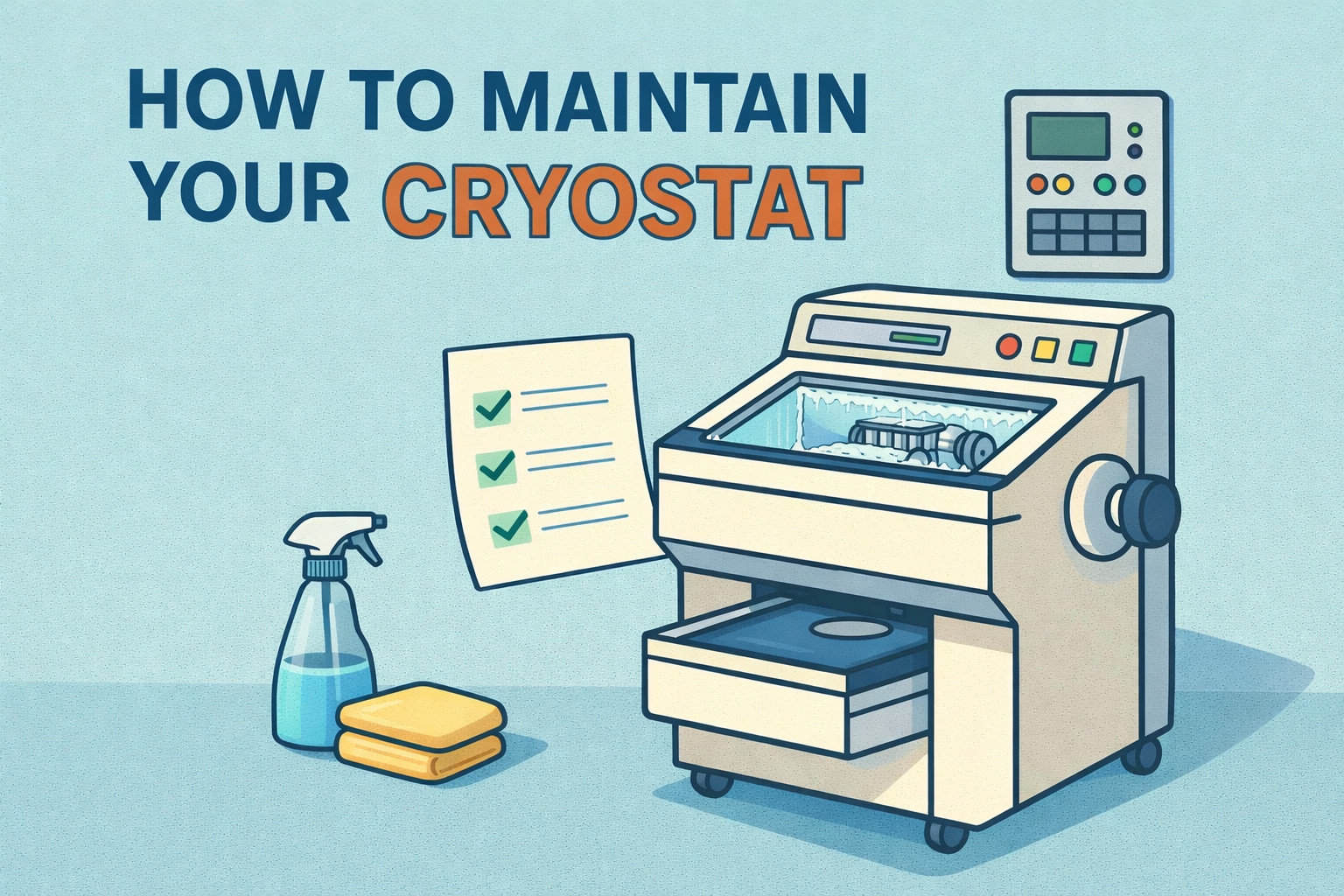
Cryostat Maintenance: Cleaning, Defrosting, and Preventive Care Best Practices

How-to-maintain-your-cryostat

Proper cryostat maintenance is essential for consistent section quality, infection control, and long-term instrument reliability. Whether you’re operating a clinical cryostat daily or supporting a research lab, routine maintenance reduces downtime, prevents ice buildup, and protects both users and specimens.

This guide outlines practical cryostat maintenance procedures based on manufacturer-recommended practices used in high-performance laboratory cryostats, including cleaning, disinfection, defrosting, filter replacement, and critical safety considerations.

Why Cryostat Maintenance Matters

Cryostats operate in extreme temperature conditions and are exposed to biological material, moisture, and cutting debris. Without regular maintenance, several performance and safety issues can develop.

Common issues include

  • Frost and ice accumulation
  • Poor section quality
  • Contamination risk between specimens
  • Reduced cooling efficiency
  • Premature component failure

Proper maintenance ensures

  • Reliable diagnostic results
  • Safer operation for staff
  • Consistent section quality
  • Longer equipment lifespan
  • Predictable system performance
Bottom line: Consistent cryostat maintenance ensures reliable diagnostics, safer operation, and predictable performance in both clinical and research environments.

Daily Cryostat Maintenance Tasks

Remove Section Waste After Each Use

Section waste should be removed after every sectioning operation and before changing specimens. Accumulated debris increases contamination risk and interferes with airflow and temperature stability.

  • Use an extraction system if equipped
  • Alternatively, remove waste with a paper towel soaked in alcohol-based disinfectant
  • Avoid starting chemical disinfection until anti-roll components are repositioned
Best practice: This simple step is one of the most effective cryostat maintenance habits for reducing contamination risk and maintaining consistent performance.

Wipe Down High-Contact Surfaces

At the end of each session, clean all high-contact and exposed areas inside the cryochamber to reduce contamination risk.

  • Clean exposed surfaces inside the cryochamber
  • Wipe blade holders, anti-roll guides, and waste trays
  • Use approved laboratory disinfectants only
  • Wear gloves and appropriate PPE at all times
Important: Avoid introducing excess liquid, as it can freeze and contribute to ice formation inside the chamber.

Weekly Cryostat Maintenance and Cleaning

Chamber Cleaning and Disinfection

Regular chamber cleaning is a core part of cryostat maintenance and should follow strict handling procedures:

  • Remove all specimens before cleaning
  • Do not use external heaters to dry the chamber
  • Allow all components to dry completely before restarting
  • Never turn the instrument on while moisture is present
Critical: Residual moisture will refreeze and cause frost buildup if the cryostat is restarted too early.

Inspect Blades and Safety Guards

Mechanical inspection is a key part of weekly cryostat maintenance:

  • Inspect knife holders and blade safety guards
  • Confirm handwheel locks function properly
  • Never leave exposed blades unattended
  • Replace damaged or worn blade holders immediately
Best practice: Mechanical safety checks are just as important as cleaning in a complete cryostat maintenance routine.

Scheduled Defrosting and Ice Control

When to Defrost a Cryostat

Defrosting is essential to prevent ice buildup and maintain proper airflow and visibility. It should be performed:

  • On a programmed schedule (often once every 24 hours)
  • When ice buildup affects airflow or visibility
  • Before deep cleaning or servicing

Before Defrosting

  • Remove all specimens
  • Empty waste trays
  • Ensure no samples remain in the chamber
Important: Cryostats are not designed for specimen storage. Prolonged refrigeration can dehydrate tissue and compromise diagnostic results.

Safe Defrosting Practices

Proper defrosting is critical to maintaining cryostat performance and preventing recurring ice buildup.

Use built-in hot gas defrost systems when available
Do not touch heated components during defrost
Allow the chamber to fully dry before restarting
Never accelerate drying with external heat sources
Important: Improper defrosting is one of the most common causes of repeat ice problems in cryostats.

Filter and Airflow Maintenance

HEPA Filter Replacement

If your cryostat uses a HEPA filtration system, routine replacement is essential for maintaining airflow and contamination control.

  • Replace filters approximately every 3 months
  • Label filters with the installation date
  • Remove filters before full defrost cycles
  • Dispose of used filters according to laboratory regulations
Why it matters: Moisture-damaged filters lose effectiveness and can restrict airflow, reducing cooling efficiency.

Extraction System Care

For cryostats equipped with section extraction systems, regular maintenance is required to ensure proper airflow and debris removal.

  • Clean hoses regularly using approved disinfectants
  • Replace hoses after repeated cleanings
  • Seal unused extraction ports with silicone stoppers
  • Prevent debris from entering the extraction opening
Best practice: Neglecting airflow components is a hidden but common cryostat maintenance failure point.

UVC Lamp Maintenance and Safety

Some cryostats include integrated UVC lamps for chamber decontamination. Proper handling is critical for safety and effectiveness.

  • Replace the UVC lamp when indicator lights signal failure
  • Disconnect power before replacement
  • Never operate UVC systems with the chamber window open
  • If a lamp breaks, evacuate the area and follow mercury cleanup protocols
Safety note: UVC lamps contain mercury and must be handled and disposed of according to laboratory safety regulations.

Long-Term Cryostat Maintenance Best Practices

To extend instrument life and reduce service calls, cryostats should be maintained not only internally—but also within a properly controlled environment.

Maintain room temperature and humidity within specifications
Avoid placing cryostats under HVAC vents
Keep condenser areas free of dust
Schedule professional service inspections as recommended
Use only manufacturer-approved parts and accessories
Key insight: Environmental control plays a major role in long-term cryostat performance and reliability.

Final Thoughts on Cryostat Maintenance

Effective cryostat maintenance is not a single task—it’s a routine. Daily cleaning, scheduled defrosting, filter changes, and safety checks all work together to preserve section quality, protect staff, and extend the life of a critical laboratory instrument.

Laboratories that prioritize maintenance experience fewer failures, more consistent results, and lower long-term service costs.

Need help? If you need replacement parts, filters, service support, or preventive maintenance guidance, working with a qualified biomedical equipment provider can significantly improve performance and reliability.

Looking for a Replacement Cryostat?

Need a reliable cryostat without the high cost of buying new? At Amtech Medical, we offer a curated selection of high-quality used cryostats designed for clinical and laboratory environments.

Every system is professionally inspected, refurbished, and tested to ensure dependable performance, safety, and long-term reliability.

Cost-Effective
Get premium equipment at a fraction of the cost of new systems.
Fully Refurbished
Thoroughly inspected, calibrated, and ready for immediate use.
Expert Guidance
Our team helps you select the right cryostat for your workflow.

References & Further Reading


Additional Resources

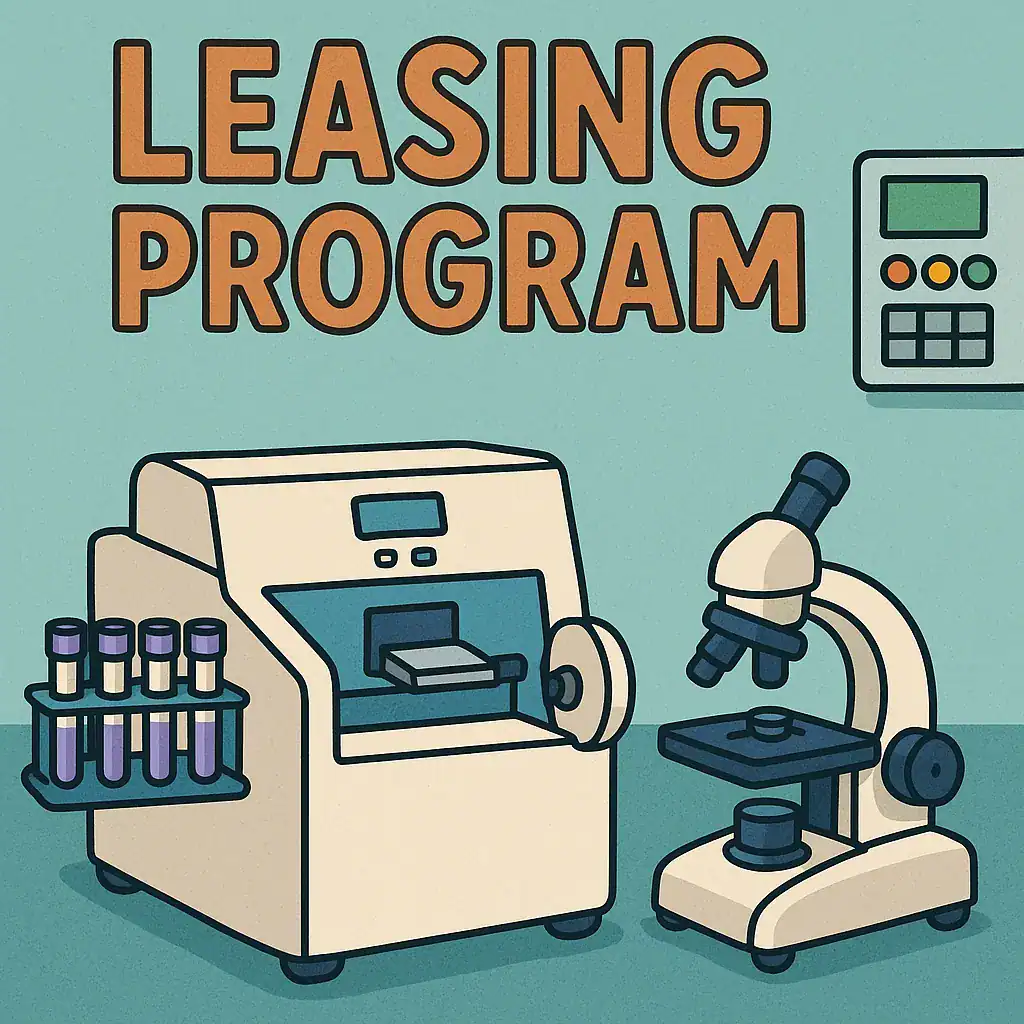
Why Amtech Medical Created a New Equipment Leasing Program (and Why It Matters for Dermatology & Histology Practices)

For most dermatology clinics, Mohs labs, and histology laboratories, acquiring essential medical equipment comes with one inevitable challenge: upfront cost. Cryostats, microscopes, slide stainers, fume hoods, and laser systems are not only expensive to purchase—they also require ongoing maintenance, repair, and eventual replacement.

For years, the industry standard has been simple: buy the device outright (new or refurbished) or go without. Clinics shoulder the capital expense. They absorb the depreciation. They manage service costs. And when equipment fails outside warranty, they carry the financial burden.

The Amtech Medical Equipment Leasing Program was built to change that model entirely.

Why This Leasing Program Exists

In a detailed discussion, Michael—Biomedical Engineer and creator of the Amtech Equipment Leasing Program—explained why the traditional ownership model no longer serves modern practices. The goal was simple: remove the biggest financial barriers clinics face and replace unpredictable equipment costs with predictable monthly investment.

1. Upfront Costs Are the #1 Barrier to New Equipment

“Medical equipment is expensive,” Michael said plainly.

A typical Mohs lab setup includes:

  • Cryostat
  • Microscope
  • Linear slide stainer
  • Fume hood with stand

To purchase these items refurbished (not new), the average clinic is looking at approximately $25,000 upfront.

Estimated Refurbished Equipment Costs:
  • Cryostat: ~$12,000
  • Linear stainer: ~$6,500
  • Microscope: ~$3,500
  • Fume hood + stand: ~$2,500

This does not include installation, consumables, service calls, or post-warranty repairs.

For many clinics—especially startups, expanding groups, or single-provider labs—that capital outlay is prohibitive. The leasing program converts that large upfront investment into a manageable monthly payment.

2. Most Clinics Don’t Account for Ongoing Maintenance & Repair Costs

When clinics purchase equipment outright, most systems include a 1–2 year warranty. After that period, the full responsibility shifts to the owner.

Cryostat service, refrigeration failures, circuit boards, laser components, calibration issues—none of these repairs are inexpensive. After warranty expiration, practices often face $2,500 or more per year in maintenance and repair costs across their lab equipment.

Under the Amtech Equipment Leasing Program:
  • Annual preventive maintenance is included
  • Repairs are fully covered
  • Parts and labor are included
  • Loaner equipment is provided when needed

The only exclusions are consumables and documented misuse.

How the Medical Equipment Leasing Program Solves All Three Problems

Michael designed the leasing model with one objective in mind: eliminate every major reason clinics hesitate to invest in equipment.

Here’s how the program addresses cost, risk, and downtime simultaneously:

  • Zero (or near-zero) upfront cost
    Only a predictable monthly lease payment — no surprise fees.
  • Full-service warranty for the entire lease
    Annual maintenance and repairs are included.
  • No depreciation risk
    Clinics do not absorb the loss in value over time.
  • No downtime — equipment swaps included
    If a device cannot be repaired same day, Amtech delivers a replacement unit.
  • Access to equipment you otherwise couldn’t justify
    Upgrade technology without committing $10,000–$30,000 upfront.

For many practices, this model is the difference between “maybe someday” and “let’s upgrade now.”

The Downtime Problem Most Clinics Underestimate

One of the largest hidden costs of medical equipment ownership is downtime.

When a cryostat fails mid-day…

When a laser throws an error code…

When a slide stainer refuses to cycle…

Every lost hour means:

  • Delayed patients
  • Procedure cancellations
  • Rescheduled surgeries
  • Interrupted workflow
  • Lost revenue

Under the leasing program, downtime is dramatically reduced.

“If we can’t fix it the same day,” Michael explained, “we simply bring another unit and swap it out.”

Few companies—especially OEMs—offer that level of responsiveness. For high-volume dermatology and Mohs practices, this may be the single greatest benefit of the leasing model.

Why the Used Equipment Market Works Against Clinics

During the discussion, the comparison to the automotive market came up — and the distinction is important.

Why medical equipment depreciates differently than cars:
  • Cars have millions of buyers — medical equipment has a highly specialized buyer pool.
  • Cars can be serviced almost anywhere — medical devices require certified technicians.
  • Used cars retain consumer resale value — medical devices must often be refurbished before resale.

When clinics attempt to sell used equipment, they typically have only two options:

  • List the device online and accept a heavily discounted price.
  • Sell it back to service companies at a fraction of the original cost.

For lean practices, that depreciation hit is significant. Leasing removes that burden entirely. Clinics no longer worry about resale value, buyer pools, or market fluctuations — they simply use the equipment and focus on patient care.

How the Amtech Medical Equipment Leasing Program Works (Step-by-Step)

Michael broke the process down simply. The program was built to be clear, predictable, and easy to implement.

  1. Tell us what equipment you need
    Mohs lab, histology lab, laser room — anything.
  2. Receive a pricing sheet
    Lease rates for 1–5 year terms. Each additional year lowers the monthly cost.
  3. Choose your lease length
    1 year minimum. 5-year leases offer the best rate.
  4. Sign the paperwork
    Simple, straightforward, no hidden clauses.
  5. Installation & setup
    Amtech delivers the equipment and installs everything.
  6. Full-service coverage begins immediately
    Repairs, maintenance, replacements — all included.
  7. At lease end, choose to:
    Renew at a lower rate, or return the equipment — no questions asked.

The program is designed to be simple, predictable, and completely stress-free for the clinic.

Helping Clinics Access Better Technology

The leasing program wasn’t built to simply sell more equipment.

It was built to help practices:

  • Grow without large capital expenses
  • Reduce financial risk
  • Avoid downtime
  • Try new technologies
  • Replace failing devices quickly
  • Run labs more efficiently

“It’s designed for the doctor. We want clinics to be able to use great equipment without breaking the bank.”

For Mohs surgeons, dermatologists, histotechs, and med-spa operators, the result is a simpler, safer, and more cost-predictable way to operate.

Ready to Explore Equipment Leasing for Your Practice?

Speak with our team to review pricing options, equipment availability, and custom lease structures tailored to your clinic.

Request Leasing Information →

Fast response • Transparent pricing • Nationwide support

Cutera Enlighten Error Codes Explained — Complete Service & Troubleshooting Guide

cutera_enlighten_error_codes

Cutera Enlighten Error Codes — What They Mean & What To Do

As the owner or operator of a medical aesthetics practice, few things disrupt your day more than seeing an error code appear on your laser’s screen.

The Cutera Enlighten and Enlighten III are powerful, high-precision systems — but like all advanced technology, they trigger internal fault codes to protect both the machine and the operator.

Unfortunately, most clinics are left in the dark when this happens. Manufacturer manuals often provide vague or overly technical explanations, leaving you unsure whether the issue is something you can resolve yourself — or if it requires immediate service.

⚠️ The reality: Guessing or continuing treatment with an active error code can lead to costly damage, extended downtime, or safety risks.

Why This Guide Exists

That’s where Amtech Medical comes in. We’ve built one of the most complete, clinic-focused references for Cutera Enlighten error codes available — designed specifically for real-world use in busy practices.

Understanding the Cutera Enlighten System

The Cutera Enlighten is a dual-wavelength picosecond and nanosecond laser platform used for:

🎯 Tattoo removal
✨ Pigmentation correction
🧬 Skin rejuvenation treatments

It operates using high-energy pulses to precisely target pigment and tissue chromophores. Because of this, the system continuously monitors multiple internal subsystems to maintain safe operation.

🔍 The system actively monitors:

• Cooling system
• Internal temperature
• Footswitch functionality
• Optical components
• Power supply stability

When any parameter falls outside the acceptable range, the system displays an error code to prevent unsafe operation.

What To Do When an Error Code Appears

⛔ Stop Treatment
Immediately pause all procedures.
📝 Record the Code
Note the exact error (e.g., 1300 or 1700).
🔍 Identify the Issue
Determine whether it is user-fixable or requires service.
📊 Use Reference Table
Check the guide below for causes and solutions.
⚠️ Important: If the system displays “Call for Service”, power down immediately and contact Amtech Medical. Continuing to operate the device can result in permanent damage or void service coverage.

Complete List of Cutera Enlighten Error Codes and What to Do

CodeUser Fixable?Solution
1004NoFootswitch need to be serviced. Call to see if we can help
1005YesMake sure footswitch is connected. Restart machine
1006NoCall for service
1007YesFootswitch is active. Make sure it’s not compressed, unplug and reinsert, restart machine, call if problem persists
1010NoCall for service
1100NoCall for service
1115NoCall for service
1120NoCall for service
1125NoCall for service
1150PotentiallyRestart machine and call if problem persists
1155PotentiallyRestart machine and call if problem persists
1200–1212NoPhone support may be available. Call for service
1220–1230NoPhone support may be available. Call for service
1250–1256NoPhone support may be available. Call for service
1300PotentiallyRestart machine and call if problem persists
1310YesMake sure water tank is full and restart laser
1320YesMake sure water tank is full and restart laser
1330PotentiallyMake sure air filter is clean and room is not too hot
1331PotentiallyMake sure air filter is clean and room is not too cold
1340PotentiallyRestart machine and call if problem persists
1341PotentiallyRestart machine and call if problem persists
1350PotentiallyMake sure room is not too hot
1352NoCall for service
1400PotentiallyRestart machine and call if problem persists
1410PotentiallyRestart machine and call if problem persists
1500NoCall for service
1505NoCall for service
1510NoCall for service
1512NoCall for service
1516NoCall for service
1517PotentiallyRestart machine and call if problem persists
1518PotentiallyRestart machine and call if problem persists
1520PotentiallyRestart machine and call if problem persists
1521PotentiallyRestart machine and call if problem persists
1525PotentiallyRestart machine and call if problem persists
1526PotentiallyRestart machine and call if problem persists
1530NoCall for service
1540PotentiallyRestart machine and call if problem persists
1541PotentiallyRestart machine and call if problem persists
1550PotentiallyRestart machine and call if problem persists
1551PotentiallyRestart machine and call if problem persists
1600PotentiallyRestart machine and call if problem persists
1601PotentiallyRestart machine and call if problem persists
1602PotentiallyRestart machine and call if problem persists
1603PotentiallyRestart machine and call if problem persists
1610NoCall for service
1611NoCall for service
1612NoCall for service
1700YesTurn off and let laser cool down. Make sure there is sufficient coolant
1701YesTurn off and let laser cool down. Make sure there is sufficient coolant
1702YesTurn off and let laser cool down. Make sure there is sufficient coolant
1703YesTurn off and let laser cool down. Make sure there is sufficient coolant
1710NoCall for service
1711NoCall for service
1712NoCall for service
1713NoCall for service
1714NoCall for service
1720PotentiallyRestart machine and call if problem persists
1721PotentiallyRestart machine and call if problem persists
1722PotentiallyRestart machine and call if problem persists
1723PotentiallyRestart machine and call if problem persists
1800–1810NoCall for service
1900–1902PotentiallyRestart machine and call if problem persists
1910–1911PotentiallyRestart machine and call if problem persists
1920–1921PotentiallyRestart machine and call if problem persists
1930–1931PotentiallyRestart machine and call if problem persists
1950YesRemove and reinsert the handpiece lens
1960PotentiallyRestart machine and call if problem persists
1970–1971PotentiallyRestart machine and call if problem persists
1980–1992NoCall for service
1999NoCall for service
2000–2002NoCall for service
2010–2011NoCall for service
2020YesLet unit cool down and restart

Keep Your Cutera Enlighten Running at Peak Performance

The Cutera Enlighten is a powerful and reliable system — but like any advanced laser, it depends on proper maintenance and timely service.

If your system displays a “Call for Service” message or recurring error codes, don’t wait.

Contact Amtech Medical

How Amtech Medical Helps Clinics Nationwide

Amtech Medical provides specialized service, repair, and preventive maintenance for medical, aesthetic, and dermatology equipment — including Cutera Enlighten systems.

Our technicians are trained to diagnose issues quickly, minimize downtime, and extend equipment life. Whether remotely or on-site, we help clinics stay operational and profitable.

What You Get with the Amtech Preferred Program

⚡ Priority service response times
📦 Free loaner equipment (when available)
🛠️ Preventive maintenance visits
💰 Flat-rate repair options & discounted parts
🔧 Multi-device coverage (Candela, Cutera, Cynosure & more)

When a Cutera Enlighten error code appears, we can often troubleshoot remotely or dispatch a technician the same day.

Preventing Future Error Codes

Many common error codes can be avoided with proper care and a stable clinical environment.

🧼 Clean Air Filters
Keep filters unobstructed to maintain proper airflow.
🌡️ Control Room Temperature
Maintain 65–75°F for optimal laser performance.
💧 Use Proper Coolant
Only distilled water or manufacturer-approved coolant.
⚡ Electrical Protection
Ensure proper grounding and surge protection.
📅 Routine Maintenance
Schedule service every 6–12 months.

FAQ — Cutera Enlighten Error Codes

Can I clear an error code myself?

Some minor codes (like 1005 or 1310) can be cleared by restarting or reconnecting components. If the issue returns, contact Amtech Medical.

How do I know if my Enlighten requires service?

If you see “Call for Service” or recurring codes, a subsystem likely needs inspection.

Can I keep using the laser while an error code is active?

No. The system enters a fault state to prevent damage. Continued use may worsen the issue.

Does Amtech service only Cutera lasers?

No. We service Candela, Cynosure, Lumenis, Sciton, and other major platforms nationwide.

How quickly can a technician come out?

Most service calls are scheduled within 24–48 hours, with immediate phone support available.

Now Servicing the Cutera Enlighten and Enlighten III: Amtech Medical Delivers What Clinics Have Been Waiting For

Cutera Enlighten service

For years, clinics operating Cutera Enlighten systems have relied almost exclusively on OEM service—often at steep cost and with frustrating delays.

That Changes Now.

Amtech Medical now offers full-service support for the Cutera Enlighten and Enlighten III platforms. From diagnostics and calibration to handpiece rebuilds and complex error resolution, we deliver fast, reliable, and independent service for one of the most advanced laser systems in aesthetics.

Why This Matters to Your Clinic

The Enlighten and Enlighten III aren’t just premium laser platforms—they are critical revenue-generating systems for medspas and dermatology practices.

Designed for tattoo removal, pigmentation correction, and skin revitalization, these systems rely on precision and uptime. But when service is needed, clinics often face significant challenges:

Expensive OEM service contracts with limited flexibility
Replacement parts that take weeks to arrive
Scheduling delays that result in lost revenue and downtime
That’s where Amtech Medical comes in.

What Amtech Medical Offers

We are one of the few independent biomedical service providers in the United States equipped to support both the Cutera Enlighten and Enlighten III systems with the tools, training, and parts required for high-level service.

✅ Advanced Diagnostics & Troubleshooting

Our technicians are trained on the Enlighten platform’s fault code system—including complex and undocumented errors. We perform full system diagnostics to quickly identify root causes and reduce downtime.

✅ Laser Calibration & Optical Alignment

We perform precision calibration across all wavelengths—532 nm, 1064 nm, and 670 nm (Enlighten III)—using OEM-compliant procedures to ensure safe, consistent treatment output.

✅ Handpiece Repair & Shot Count Resets

We rebuild Enlighten handpieces, replace damaged optics, resolve overheating issues, and reset shot counters—extending the usable life of your equipment.

✅ Fast Turnaround & On-Site Service

With in-stock parts and a nationwide technician network, we can often dispatch service within 24–48 hours—minimizing costly downtime.

✅ Transparent Pricing & Warranty

We provide clear estimates, competitive pricing, and back our work with a full service guarantee—no hidden fees or vague diagnostics.

A Smarter Alternative to OEM Servicing

Cutera manufactures a high-quality system—but like many OEMs, their service model can be restrictive:

Warranties may be voided with third-party service
Limited access to tools and diagnostics
Parts restricted to OEM distribution channels

Despite these barriers, Amtech Medical has invested heavily in overcoming them—developing proprietary diagnostic processes, sourcing compatible components, and building hands-on expertise across multiple Enlighten systems.

Bottom line: You no longer have to accept long lead times, high costs, and limited service options. A faster, more flexible solution is now available.

Why Clinics Trust Amtech Medical

We’ve been servicing complex medical and aesthetic devices for over a decade. Our team includes engineers and biomedical specialists with hands-on experience across platforms from Cutera, Cynosure, Lumenis, Candela, and more.

Here’s why hundreds of clinics across the U.S. trust Amtech Medical:

🔧 Technical Expertise
We understand laser systems at a deep level—from power supply boards to articulated arms and optical paths.
📍 Nationwide Coverage
On-site repairs, depot service, or remote diagnostics—flexible service options tailored to your clinic.
🔒 Compliance & Safety
We follow strict service protocols to ensure patient safety and maintain device integrity.
💬 Customer Support
Real people, clear communication, and real-time updates throughout your service process.
What this means for you: You now have a trusted, independent service partner for your Cutera Enlighten system—without the limitations of OEM-only support.

FAQ: Cutera Enlighten Service

Who can service a Cutera Enlighten or Enlighten III machine?
Historically, only Cutera offered official service. Today, Amtech Medical is one of the few independent providers offering diagnostics, calibration, and repair services for these systems.
How do I know if my Enlighten laser needs repair?
Common signs include startup error codes (e.g., 006, 1602, 1530), inconsistent output, or failure to fire. We also offer remote diagnostics to help assess issues quickly.
Does third-party service void my warranty?
If your system is still under OEM warranty, third-party service may affect coverage. However, most Enlighten units are out of warranty—making independent service a cost-effective option.
Can Amtech source Enlighten handpieces or parts?
Yes. We maintain inventory and can refurbish or replace key components, including handpieces, optics, and cooling systems.
What is the turnaround time for service?
Most service is completed within 2–5 days, depending on complexity and location. On-site visits are often available within 24–48 hours.

Ready to Get Your Enlighten Laser Back in Action?

You invested in a world-class device—now let Amtech help you keep it performing at its peak without delays or excessive service costs.