Can You Sit at a Saddle Stool All Day? Ergonomic Benefits, Risks, and Best Practices

can you sit at a saddle stool all day​

Quick Answer: Can You Sit at a Saddle Stool All Day?

Yes, saddle stools are specifically designed for extended sitting and can be safely used throughout a full workday when properly adjusted. Unlike traditional office chairs, saddle stools position the body in a natural, upright posture that reduces spinal strain, improves circulation, and promotes better ergonomic alignment.

Saddle stools are widely used in medical clinics, laboratories, dental offices, and dermatology practices where professionals routinely sit for long periods. When used correctly, they can significantly reduce fatigue and improve comfort compared to conventional seating.

Understanding How Saddle Stools Support Full-Day Sitting

The human body is not naturally designed to sit for prolonged periods in the traditional 90-degree seated position found in most office chairs. This position forces the pelvis to tilt backward, flattens the natural lumbar curve, and increases pressure on spinal discs. Over time, this can contribute to lower back pain, muscle fatigue, and poor posture.

Saddle stools address this problem by positioning the user in a semi-standing posture. The hips remain open at an angle of approximately 120 to 135 degrees, which allows the spine to maintain its natural curvature. This posture distributes body weight more evenly and reduces stress on the lower back.

This biomechanically neutral position is one of the primary reasons saddle stools are trusted by medical professionals, surgeons, laboratory technicians, and clinicians who must remain seated for extended periods while maintaining precision and focus.

Key Ergonomic Advantages of Saddle Stools

  • Maintains natural spinal curvature – Reduces stress on vertebral discs and prevents slouching
  • Reduces lower back compression – Open hip angle decreases pressure on lumbar structures
  • Improves core muscle engagement – Strengthens stabilizing muscles over time
  • Promotes better circulation – Reduces vascular compression in the hips and legs
  • Encourages active sitting posture – Prevents passive slouching associated with fatigue
  • Improves mobility and positioning – Allows easier movement during detailed tasks

Why Medical and Laboratory Professionals Use Saddle Stools All Day

Saddle stools are commonly used in environments where professionals must maintain precise positioning while working for long periods. In dermatology clinics, practitioners often lean forward during procedures. Traditional chairs can cause spinal rounding and muscle fatigue, while saddle stools support proper posture throughout the procedure.

Similarly, laboratory technicians working at microscopes or performing slide preparation benefit from the improved alignment provided by saddle stools. The upright posture reduces strain on the neck, shoulders, and lower back.

Dentists, surgeons, and medical assistants also rely on saddle stools because they allow both stability and mobility, which improves efficiency and reduces physical fatigue during long clinical sessions.

Comparison: Saddle Stool vs Traditional Office Chair

Feature Saddle Stool Traditional Chair
Spinal Alignment Maintains natural posture Often causes slouching
Lower Back Pressure Reduced Increased
Circulation Improved Restricted
Mobility High Limited

Adjustment Period and What to Expect

Some users experience mild muscle fatigue when first switching to a saddle stool. This occurs because saddle stools activate stabilizing muscles that are underutilized when sitting in traditional chairs. This is a normal and temporary adjustment process.

Most users fully adapt within one to two weeks, after which comfort typically improves significantly compared to traditional seating.

Best Practices for Sitting on a Saddle Stool All Day

  • Adjust height so hips are slightly higher than knees
  • Keep feet flat on the floor
  • Maintain upright posture without slouching
  • Keep shoulders relaxed
  • Take standing breaks every 30 to 60 minutes
  • Allow time for muscles to adapt

Final Verdict: Are Saddle Stools Suitable for Full Workdays?

Saddle stools are one of the most ergonomically beneficial seating solutions available for professionals who sit for extended periods. Their design promotes proper posture, reduces spinal strain, and improves overall comfort compared to traditional seating. With proper adjustment and regular movement, saddle stools can be safely and comfortably used throughout a full workday.

Recommended Saddle Stool for Clinical and Laboratory Use

Choosing a high-quality saddle stool is essential for achieving the ergonomic benefits described above. Professional-grade saddle stools are designed with proper height adjustment ranges, stable bases, and supportive seat contours to ensure long-term comfort and durability in medical and laboratory environments.

The saddle stool available from Amtech Medical is specifically selected for clinical reliability, ergonomic performance, and daily professional use. It is suitable for dermatology clinics, histology laboratories, medical offices, and other professional environments where proper posture and mobility are critical.

Key Features:
  • Ergonomic saddle seat design for proper spinal alignment
  • Smooth height adjustment for precise positioning
  • Stable rolling base for easy mobility
  • Durable construction designed for clinical environments
  • Suitable for full-day professional use
View Saddle Stool at Amtech Medical →

This saddle stool is designed for medical professionals, laboratory technicians, and clinical environments requiring extended sitting and ergonomic support.

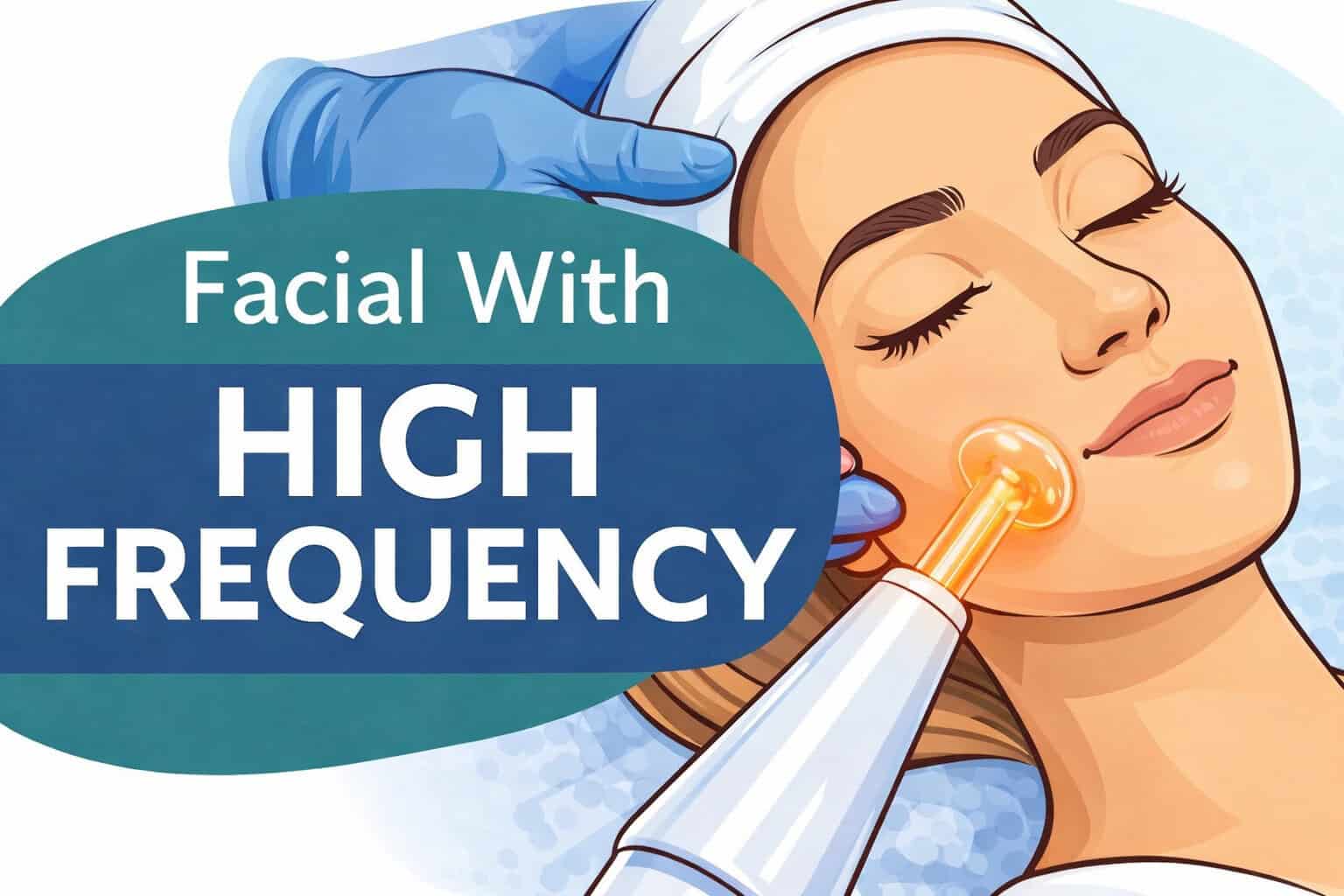
Facial With High Frequency: Benefits, Process, and Professional Uses

Facial With High Frequency Benefits, Safety, and Treatment Guide

A facial with high frequency is a professional skincare treatment that uses a low-level electrical current to support skin purification, circulation, and post-extraction calming. High frequency has been used in professional esthetics for decades and remains a staple in treatment rooms due to its versatility and non-invasive nature.

This modality is commonly incorporated into facials targeting acne-prone skin, congested pores, and uneven texture, as well as general skin conditioning treatments.


How a Facial With High Frequency Works

High frequency devices generate a mild electrical current that is delivered through glass electrodes filled with inert gas, typically argon or neon. When applied to the skin, this current produces gentle warmth and a subtle oxygenating effect at the surface level.

During a facial with high frequency, the treatment is typically applied:

  • After cleansing and exfoliation
  • Following extractions to calm and purify the skin
  • Before masks or finishing products

The process is painless and designed for professional, controlled use in esthetic settings.


Benefits of a Facial With High Frequency

A facial with high frequency offers several skin-supporting benefits when used correctly.

Common benefits include:

  • Helping reduce the appearance of acne-causing bacteria
  • Supporting post-extraction calming
  • Encouraging circulation and oxygenation at the skin’s surface
  • Assisting with congestion and oily skin conditions
  • Promoting an overall refreshed skin appearance

Because the treatment is non-abrasive, it is often suitable for repeat professional use as part of a regular skincare routine.


Who Is a Facial With High Frequency Best For?

A facial with high frequency is commonly recommended for:

  • Acne-prone or congested skin
  • Oily or combination skin types
  • Clients experiencing frequent breakouts
  • Post-extraction care during professional facials
  • Clients seeking non-invasive skin treatments

While beneficial for many skin types, treatment suitability should always be determined by a trained skincare professional.


Safety Considerations for High Frequency Facials

Proper technique and safety awareness are essential when performing a facial with high frequency.

General safety guidelines include:

  • Use only on intact, healthy skin
  • Avoid use on clients with pacemakers or certain medical conditions
  • Ensure electrodes are fully dry before activation
  • Follow manufacturer instructions for duration and intensity
  • Perform treatments only by trained professionals

High frequency treatments are considered safe when used appropriately and within professional guidelines.


How High Frequency Fits Into a Professional Facial Treatment

A facial with high frequency is typically one step within a complete professional facial, not a standalone procedure. It is often combined with:

  • Cleansing and exfoliation
  • Steam and extractions
  • Masks and serums
  • Moisturizing and sun protection

This makes high frequency a flexible tool that can be adapted to a wide range of treatment goals.


Final Thoughts on a Facial With High Frequency

A facial with high frequency remains a trusted and effective option in professional skincare due to its versatility, gentle application, and supportive skin benefits. When performed correctly, it complements traditional facial techniques and enhances overall treatment outcomes without adding significant time or discomfort.

As with any professional modality, results depend on proper technique, client selection, and consistent application as part of a broader skincare program.


FAQ

Is a facial with high frequency painful?

No. Most clients experience only mild warmth or a light tingling sensation.

How often can you get a facial with high frequency?

Frequency depends on skin type and treatment goals, but it is commonly included in regular professional facial schedules.

Can high frequency be used on sensitive skin?

In many cases yes, but treatment settings and duration should be adjusted by a trained professional.


References & Further Reading

  • National Institute of Arthritis and Musculoskeletal and Skin Diseases (NIAMS) – Skin Health Basics
    Educational resource on skin structure, function, and general skin health principles.
    https://www.niams.nih.gov/health-topics/skin-diseases
  • American Academy of Dermatology (AAD) – Acne and Professional Skin Treatments
    Clinical perspective on acne management and professional skin care practices.
    https://www.aad.org/public/diseases/acne
  • Milady Standard Esthetics Textbook – High Frequency Treatment Overview
    Industry-standard esthetics education covering high frequency use, benefits, and safety.
    https://www.milady.com
  • National Center for Biotechnology Information (NCBI) – Skin Physiology & Electrical Modalities
    Peer-reviewed research related to skin physiology and electrical stimulation concepts.
    https://www.ncbi.nlm.nih.gov
  • FDA – General Wellness & Cosmetic Device Guidance
    Regulatory context for cosmetic and wellness devices used in professional settings.
    https://www.fda.gov/medical-devices

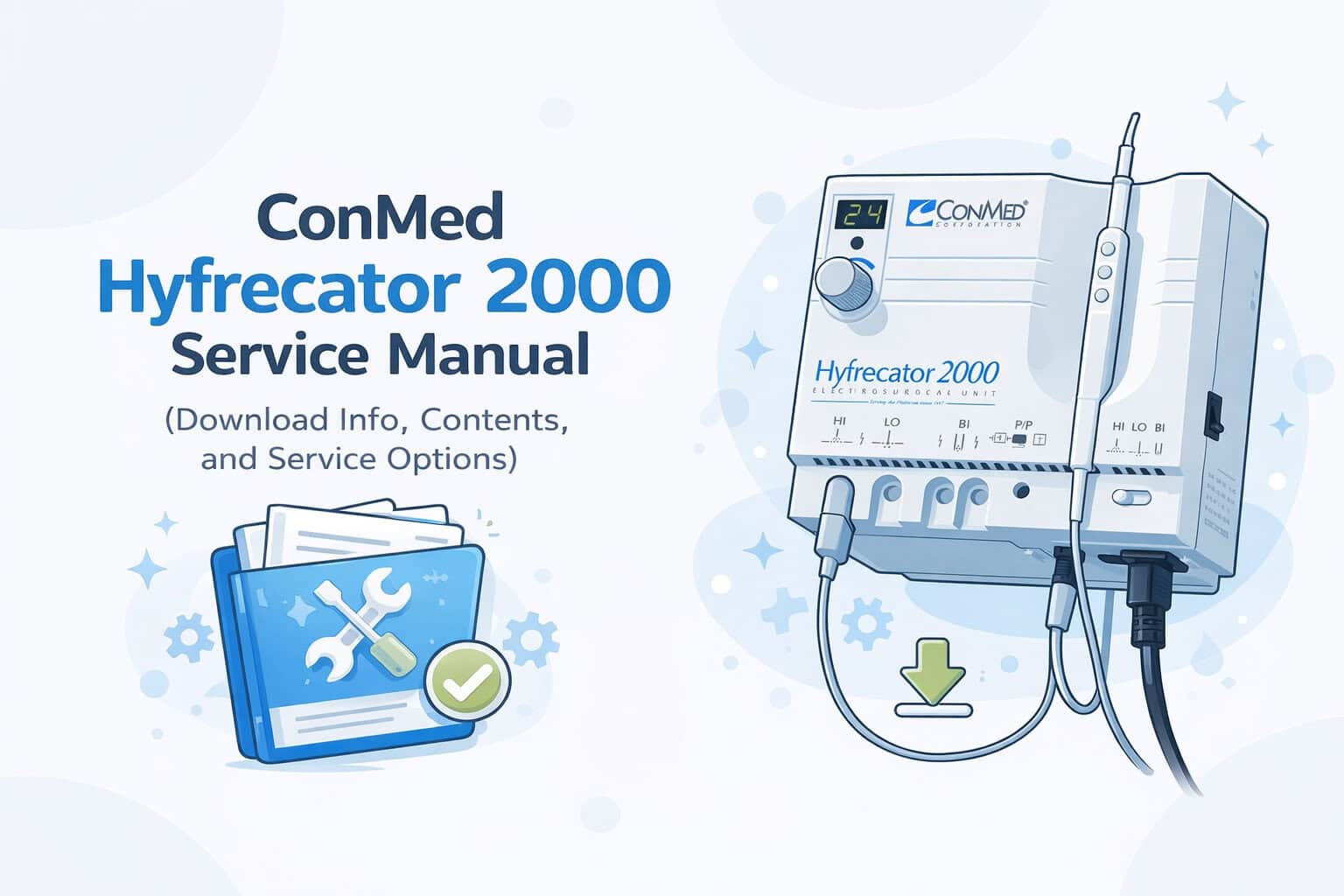
ConMed Hyfrecator 2000 Service Manual (Download Info, Contents, and Service Options)

ConMed Hyfrecator 2000 Service Manual

Download Conmed Hyfrecator 2000 service manual here


If you’re searching for the ConMed Hyfrecator 2000 service manual, you’re likely trying to download it to troubleshoot, maintain, or repair a Hyfrecator 2000 electrosurgical unit. This is a very common search among clinics, hospitals, and biomedical staff.

This page explains:

  • Where and how the ConMed Hyfrecator 2000 service manual is typically accessed
  • What the service manual contains
  • Why it may not be publicly available
  • What your options are if you need service, inspection, or repair

Can You Download the ConMed Hyfrecator 2000 Service Manual?

The ConMed Hyfrecator 2000 service manual is a technician-level document intended for trained biomedical professionals. Unlike operator or user manuals, service manuals often include:

  • Internal schematics
  • Calibration procedures
  • Electrical test points
  • Output verification steps
  • Safety and leakage testing requirements

Because of this, the service manual is not always publicly distributed online and may only be available through:

  • The manufacturer (ConMed)
  • Authorized service providers
  • Certified biomedical technicians

If you’re unable to locate a public download, this is normal and expected for electrosurgical equipment.


What’s Inside the ConMed Hyfrecator 2000 Service Manual?

While the full service manual itself is restricted, it typically includes sections covering:

Equipment Overview

  • Device architecture and internal components
  • Operating modes and output characteristics

Calibration & Performance Testing

  • Output power verification
  • Frequency and waveform checks
  • Calibration tolerances

Electrical Safety Testing

  • Ground integrity
  • Leakage current testing
  • Compliance with medical electrical standards

Troubleshooting & Diagnostics

  • Common fault conditions
  • Symptom-based diagnostics
  • Verification steps after repair

Preventive Maintenance

  • Recommended inspection intervals
  • Wear items and service checkpoints
  • Functional testing procedures

These procedures require specialized tools, training, and test equipment, which is why clinics are typically advised not to perform internal servicing themselves.


Service Manual vs Operator Manual: What’s the Difference?

Many users confuse the operator manual with the service manual.

Operator Manual

  • Intended for clinical users
  • Covers setup, use, and basic care
  • Often publicly available

Service Manual

  • Intended for trained technicians
  • Covers internal adjustments and repairs
  • Usually restricted

If you’re looking for the service manual because the unit is malfunctioning, calibration is overdue, or safety testing is required, professional service is often the safest and fastest solution.


When You Need Service Instead of the Manual

Clinics often search for the ConMed Hyfrecator 2000 service manual when experiencing issues such as:

  • Inconsistent output
  • Unit not powering on
  • Footswitch or handpiece problems
  • Failed electrical safety tests
  • Overdue preventive maintenance
Contact

In these cases, attempting internal repair without proper training can:

  • Void manufacturer support
  • Create safety risks
  • Lead to compliance issues

ConMed Hyfrecator 2000 Service & Repair Options

If you need inspection, maintenance, or repair for a Hyfrecator 2000, working with an experienced medical equipment service provider is often the most practical option.

Amtech Medical provides professional service support for the ConMed Hyfrecator 2000, including:

  • Preventive maintenance
  • Performance verification
  • Electrical safety testing
  • Troubleshooting and repair
  • Post-service documentation

This allows clinics to stay compliant without needing direct access to restricted service documentation.


Why Clinics Work with Amtech Medical

Amtech Medical specializes in servicing clinical-grade medical and surgical equipment. That means:

  • Experience with electrosurgical units
  • Proper test equipment and procedures
  • Compliance-ready service documentation
  • Reduced downtime for clinical staff
  • Clear communication and support

If you’re searching for the ConMed Hyfrecator 2000 service manual, chances are you need service — and that’s exactly where Amtech Medical can help.


How to Get Help with Your ConMed Hyfrecator 2000

If you need service, inspection, or repair support for your Hyfrecator 2000, you can contact Amtech Medical directly.

📧 Email: info@amtechmedical.com
📞 Or use the contact form

Include:

  • Device model (ConMed Hyfrecator 2000)
  • Issue or service need
  • Facility location

Final Thoughts

Searching for the ConMed Hyfrecator 2000 service manual is completely understandable — but access to the manual isn’t always necessary to resolve equipment issues safely.

Whether you’re trying to verify performance, address a malfunction, or stay compliant, working with a qualified service provider ensures your equipment remains safe, functional, and ready for clinical use.

If you need help with a ConMed Hyfrecator 2000, Amtech Medical is ready to assist.

Biomedical Equipment Service & Repair: Professional Support You Can Rely On from Amtech Medical

biomedical equipment service

Biomedical equipment service and biomedical equipment repair are mission-critical for healthcare facilities. When equipment fails, accuracy suffers, procedures are delayed, and patient safety can be put at risk. That’s why choosing the right service partner matters.

Amtech Medical provides professional biomedical equipment service and repair for hospitals, clinics, laboratories, and specialty practices nationwide. We help healthcare organizations reduce downtime, maintain compliance, and keep critical equipment operating safely and reliably.

If your facility depends on biomedical equipment, Amtech Medical is built to support it.

Contact

Biomedical Equipment Service That Keeps Your Facility Running

Biomedical equipment service is about prevention, performance, and compliance. Routine service ensures equipment operates within manufacturer specifications and reduces the likelihood of unexpected failures.

Amtech Medical’s biomedical equipment service includes:

  • Preventive maintenance (PM)
  • Calibration and performance testing
  • Electrical and mechanical safety inspections
  • Functional verification
  • Detailed service documentation for audits and accreditation

Our service programs are designed to extend equipment lifespan, reduce emergency repairs, and improve operational uptime.


Biomedical Equipment Repair When It Matters Most

When equipment fails, you need fast, accurate, and compliant repair — not guesswork.

Biomedical equipment repair from Amtech Medical focuses on:

  • Rapid diagnostics and troubleshooting
  • Replacement of failed or worn components
  • Manufacturer-aligned repair procedures
  • Post-repair calibration and validation
  • Safety testing before return to service

We don’t just get equipment working again — we make sure it’s safe, accurate, and ready for clinical use.


One Partner for Biomedical Equipment Service & Repair

Many facilities juggle multiple vendors for maintenance and repair. That leads to inconsistent records, longer downtime, and higher costs.

Amtech Medical provides both biomedical equipment service and biomedical equipment repair under one trusted provider, simplifying vendor management and improving accountability.

Benefits of a Single Service Partner:

  • Consistent service standards
  • Centralized documentation
  • Faster response times
  • Predictable maintenance schedules
  • Lower long-term service costs

Biomedical Equipment We Service and Repair

Amtech Medical supports a wide range of biomedical and clinical equipment, including:

  • Hospital and clinical equipment
  • Surgical and procedural support devices
  • Dermatology and aesthetic systems
  • Histology and pathology instruments
  • Laboratory equipment
  • Phototherapy and light-based devices
  • Medical filtration and evacuation systems

If your equipment is essential to patient care or daily operations, Amtech Medical can support it.

Contact

Biomedical Equipment Service for Hospitals, Clinics, and Labs

Healthcare environments don’t stop — and neither can your equipment.

Amtech Medical provides biomedical equipment service and repair for:

  • Hospitals and health systems
  • Outpatient clinics
  • Surgical centers
  • Dermatology practices
  • Pathology and histology labs
  • Specialty medical facilities

We understand the urgency, compliance requirements, and documentation standards healthcare facilities depend on.


What Makes Amtech Medical Different?

Not all biomedical equipment service companies operate at the same level. Amtech Medical is built around reliability, transparency, and long-term partnerships.

Why Facilities Choose Amtech Medical:

  • Experienced biomedical service technicians
  • Preventive maintenance and repair expertise
  • Compliance-ready service documentation
  • Clear communication and honest assessments
  • Flexible service plans
  • Focus on uptime and patient safety

We don’t just fix equipment — we help facilities operate better.


When to Schedule Biomedical Equipment Service or Repair

You should contact Amtech Medical if:

  • Equipment fails calibration or safety checks
  • Performance becomes inconsistent
  • Error messages or alarms appear
  • Preventive maintenance is overdue
  • Equipment downtime is impacting workflows

Early service and repair prevent small issues from becoming costly failures.


Partner with Amtech Medical for Biomedical Equipment Service & Repair

If your facility needs reliable biomedical equipment service or expert biomedical equipment repair, Amtech Medical is ready to help.

📞 Contact Amtech Medical today to:

  • Schedule biomedical equipment service
  • Request a repair
  • Set up a preventive maintenance program
  • Discuss long-term service support options

When your equipment matters, your service provider should too.
Trust Amtech Medical to keep your biomedical equipment working when it counts.


Frequently Asked Questions

Do you offer preventive maintenance programs?

Yes. Amtech Medical provides customized biomedical equipment service plans based on your facility and equipment inventory.

Do you service hospitals and private practices?

Yes. We support hospitals, clinics, laboratories, and specialty practices nationwide.

Is documentation provided after service or repair?

Absolutely. Detailed service reports are provided for compliance, audits, and internal records.

Do you provide emergency repair services?

Yes. We prioritize urgent biomedical equipment repair needs to minimize downtime.

Contact

Additional Resources & Compliance References

Medical Equipment Repair: Expert Service, Maintenance, and Support from Amtech Medical

medical equipment repair

Medical equipment repair is not just about fixing what’s broken — it’s about protecting patient safety, minimizing downtime, and ensuring your facility stays compliant and operational. When critical devices fail, you need a trusted partner who understands the urgency, complexity, and regulatory requirements of medical equipment servicing.

Amtech Medical provides professional medical equipment repair and maintenance services nationwide, supporting hospitals, clinics, laboratories, dermatology practices, and specialty healthcare facilities.

This guide explains how medical equipment repair works, why preventive maintenance matters, and why Amtech Medical is the trusted choice for reliable, compliant service.

Contact

What Is Medical Equipment Repair?

Medical equipment repair is the process of diagnosing, restoring, and validating medical devices that are malfunctioning, damaged, or operating outside manufacturer specifications.

This includes:

  • Electrical and mechanical troubleshooting
  • Replacement of worn or failed components
  • Calibration and performance verification
  • Safety testing and documentation
  • Functional testing before return to service

At Amtech Medical, repairs are performed by experienced, professionally trained technicians who follow manufacturer guidelines and healthcare compliance standards.


Why Medical Equipment Maintenance Is Just as Important as Repair

While repair addresses failures, medical equipment maintenance prevents them.

Preventive maintenance programs are designed to:

  • Extend equipment lifespan
  • Reduce emergency breakdowns
  • Maintain accuracy and reliability
  • Support regulatory compliance
  • Lower total cost of ownership

Amtech Medical Maintenance Services Include:

  • Scheduled preventive maintenance (PM)
  • Calibration and performance testing
  • Safety inspections
  • Documentation for audits and accreditation
  • Custom service plans tailored to your equipment inventory

Facilities that invest in consistent medical equipment maintenance experience fewer disruptions and better long-term performance.


Medical Equipment Servicing vs. Medical Device Repair

These terms are often used interchangeably, but they serve different purposes.

Medical Equipment Servicing

Routine work performed to keep devices operating correctly:

  • Preventive maintenance
  • Calibration
  • Inspection
  • Software updates
  • Safety testing

Medical Device Repair

Corrective action taken after a failure occurs:

  • Diagnosing faults
  • Replacing damaged parts
  • Restoring full functionality
  • Verifying performance and safety

Amtech Medical provides both, ensuring your equipment remains compliant, reliable, and ready for clinical use.


Types of Equipment Amtech Medical Repairs

Amtech Medical specializes in servicing a wide range of medical and laboratory equipment, including:

  • Surgical and procedural equipment
  • Smoke evacuation and filtration systems
  • Dermatology and aesthetic devices
  • Histology and pathology equipment
  • Laboratory instruments
  • Phototherapy and light-based systems
  • Clinical support devices

If your equipment is critical to patient care or daily operations, Amtech Medical can support it.


Hospital Equipment Repair: Why Reliability Matters

Hospitals rely on hundreds — sometimes thousands — of medical devices daily. Equipment failure can cause:

  • Procedure delays
  • Patient safety risks
  • Compliance violations
  • Lost revenue

Hospital equipment repair requires speed, expertise, and documentation.
Amtech Medical understands the urgency of healthcare environments and prioritizes:

  • Rapid response times
  • Clear communication
  • Accurate service records
  • Minimal operational disruption

What to Look for in Medical Equipment Repair Companies

Not all medical equipment repair companies are equal. Choosing the wrong provider can result in repeat failures, compliance issues, or unnecessary costs.

A Qualified Repair Partner Should Offer:

  • Experienced, trained technicians
  • Manufacturer-aligned service procedures
  • Transparent pricing
  • Detailed service documentation
  • Preventive maintenance options
  • Reliable turnaround times

Amtech Medical meets all of these criteria — and works as a long-term service partner, not just a one-time repair vendor.


Why Choose Amtech Medical for Medical Equipment Repair?

Amtech Medical is a trusted provider of professional medical equipment repair and maintenance services for healthcare facilities across the United States.

What Sets Amtech Medical Apart:

  • Specialized experience across medical and laboratory equipment
  • Preventive maintenance and repair under one provider
  • Clear service reports for compliance and audits
  • Flexible service plans
  • Customer-first communication and support
  • Focus on uptime, safety, and reliability

Whether you need emergency repair or ongoing maintenance, Amtech Medical delivers dependable service you can trust.


When Should You Schedule Medical Equipment Repair?

You should contact a repair provider immediately if:

  • Equipment fails self-tests or calibration checks
  • Performance becomes inconsistent
  • Error codes appear
  • Physical damage is present
  • Safety inspections fail
  • Procedures are delayed due to device issues

Delaying repair can increase damage and cost. Early intervention saves time, money, and risk.


Get Professional Medical Equipment Repair from Amtech Medical

If your facility needs medical equipment repair, servicing, or preventive maintenance, Amtech Medical is ready to help.

📞 Contact Amtech Medical today to:

Contact
  • Schedule a repair
  • Request a maintenance plan
  • Get expert guidance on equipment service options

Reliable equipment starts with reliable service — and that’s exactly what Amtech Medical delivers.


Frequently Asked Questions (FAQ)

How long does medical equipment repair take?

Turnaround time depends on the device and issue. Amtech Medical prioritizes fast diagnostics and clear timelines.

Do you offer preventive maintenance plans?

Yes. Amtech Medical provides customized medical equipment maintenance plans tailored to your facility and equipment types.

Do you service hospitals and private practices?

Yes. Amtech Medical supports hospitals, clinics, labs, and specialty practices.

Is documentation provided after service?

Absolutely. Detailed service reports are provided for compliance, audits, and internal records.


Additional Resources & Compliance References

SAD Light Therapy: How Light Therapy Helps With Seasonal Affective Disorder

SAD Light Therapy How Light Therapy Helps With Seasonal Affective Disorder

Seasonal affective disorder (SAD) is a form of depression that typically occurs during the fall and winter months when exposure to natural sunlight decreases. SAD light therapy is one of the most commonly recommended non-pharmacologic treatments for seasonal depression and has been widely studied and used in both clinical and home settings.

This guide explains what SAD light therapy is, how it works, what the research supports, and how to choose an appropriate light therapy system for treating seasonal affective disorder.


What Is SAD Light Therapy?

SAD light therapy, also known as seasonal affective disorder light therapy or phototherapy for seasonal depression, uses bright artificial light designed to mimic natural outdoor daylight.

Exposure to this light helps regulate the body’s circadian rhythm and neurotransmitter activity, particularly serotonin and melatonin, which are closely linked to mood, sleep, and energy levels.

SAD light therapy is commonly used for:

  • Seasonal affective disorder (winter depression)
  • Circadian rhythm disruption
  • Sleep phase disorders
  • Mood changes related to reduced sunlight exposure

How Light Therapy Helps With Seasonal Affective Disorder

Reduced sunlight during winter can disrupt the brain’s internal clock and neurotransmitter balance. This can lead to symptoms such as:

  • Low mood or depression
  • Fatigue or low energy
  • Increased sleep or difficulty waking
  • Carbohydrate cravings and weight gain
  • Reduced concentration or motivation

Light therapy works by delivering bright light to the eyes, which signals the brain that it is daytime. This helps:

  • Reset circadian rhythms
  • Suppress melatonin production in the morning
  • Increase serotonin activity
  • Improve alertness and mood

This is why light therapy for seasonal depression is most effective when used early in the morning.


What Does the Research Say?

Multiple clinical studies and meta-analyses support the use of light therapy for seasonal affective disorder.

Findings generally show that:

  • Light therapy can significantly reduce depressive symptoms in SAD
  • It can be as effective as antidepressant medication for some individuals
  • It often works faster than medication (within days to weeks)
  • It has a favorable safety profile when used correctly

Because of this evidence, seasonal affective disorder light therapy is included in many clinical guidelines as a first-line treatment for winter depression.


What Kind of Light Is Used for SAD Light Therapy?

Not all lights are appropriate for treating SAD.

Effective SAD light therapy systems typically provide:

  • Bright white light or blue-enriched white light
  • An intensity of approximately 10,000 lux at a specific distance
  • UV-filtered output (no ultraviolet exposure)
  • A stable, flicker-free light source

The term phototherapy light for SAD refers to these medically appropriate light therapy devices — not tanning beds, infrared lamps, or cosmetic light devices.


How to Use Light Therapy for Seasonal Depression

A typical light therapy protocol for SAD includes:

  • 20–30 minutes of exposure per day
  • In the early morning (shortly after waking)
  • At a prescribed distance from the light box
  • With eyes open but not staring directly into the light

Consistency is critical. Daily use throughout the fall and winter months provides the best results.


Is SAD Light Therapy Safe?

SAD light therapy is generally safe for most people, but some individuals should consult a healthcare provider before use, especially those with:

  • Bipolar disorder
  • Eye conditions affecting light sensitivity
  • Photosensitizing medications
  • Severe depression or suicidal ideation

Possible side effects can include eye strain, headache, or mild agitation, usually resolving with dose adjustments.


Choosing the Right Light Therapy Device

When evaluating a device for SAD light therapy, look for:

  • Verified light output (10,000 lux rating)
  • UV filtering
  • Medical or safety certifications
  • Manufacturer support and warranty
  • Clear instructions for distance and duration

Avoid devices marketed as “full spectrum,” tanning lamps, or infrared heaters, as these are not appropriate for seasonal affective disorder light therapy.


Who Benefits Most From SAD Light Therapy?

Light therapy is most helpful for individuals who:

  • Experience depression that follows a seasonal pattern
  • Feel worse in fall and winter and better in spring and summer
  • Have fatigue, hypersomnia, and carbohydrate cravings in winter
  • Live in higher latitudes with limited winter sunlight

It may also help shift workers or individuals with circadian rhythm disorders, even without a formal SAD diagnosis.


Final Thoughts

SAD light therapy is a well-supported, low-risk treatment for seasonal affective disorder and winter depression when used properly and consistently.

Understanding how it works, what devices are appropriate, and how to use it correctly can make a meaningful difference in mood, energy, and overall well-being during the darker months of the year.

If you are considering light therapy for seasonal depression — either personally or in a clinical setting — selecting a medically appropriate device and following evidence-based protocols is essential.


Additional Resources & Compliance References

Seasonal Affective Disorder (SAD) Treatment — Mayo Clinic
https://www.mayoclinic.org/diseases-conditions/seasonal-affective-disorder/in-depth/seasonal-affective-disorder-treatment/art-20048298
An overview of light therapy as a treatment for SAD from a leading clinical authority, including usage and considerations.

National Institute of Mental Health – Seasonal Affective Disorder
https://www.nimh.nih.gov/health/publications/seasonal-affective-disorder
Information on seasonal affective disorder, including light therapy and other treatment options from the U.S. National Institute of Mental Health.

FDA Photobiomodulation (PBM) Device Guidance
https://www.fda.gov/regulatory-information/search-fda-guidance-documents/photobiomodulation-pbm-devices-premarket-notification-510k-submissions
U.S. FDA draft guidance on safety and premarket submission considerations for light-based therapeutic devices.

FDA Safety Communication on UV Radiation
https://www.fda.gov/radiation-emitting-products/home-business-and-entertainment-products/sunlamps-and-sunlamp-products-tanning-bedsbooths
FDA guidance on risks associated with ultraviolet and radiation-emitting light sources — useful for understanding appropriate light therapy device safety.

Brown University Health Services – Light Box Therapy
https://healthservices.brown.edu/sites/default/files/handouts/Light-box2022.pdf
Educational PDF discussing proper use and clinical considerations for light box therapy, including safety notes and manufacturer recommendations.


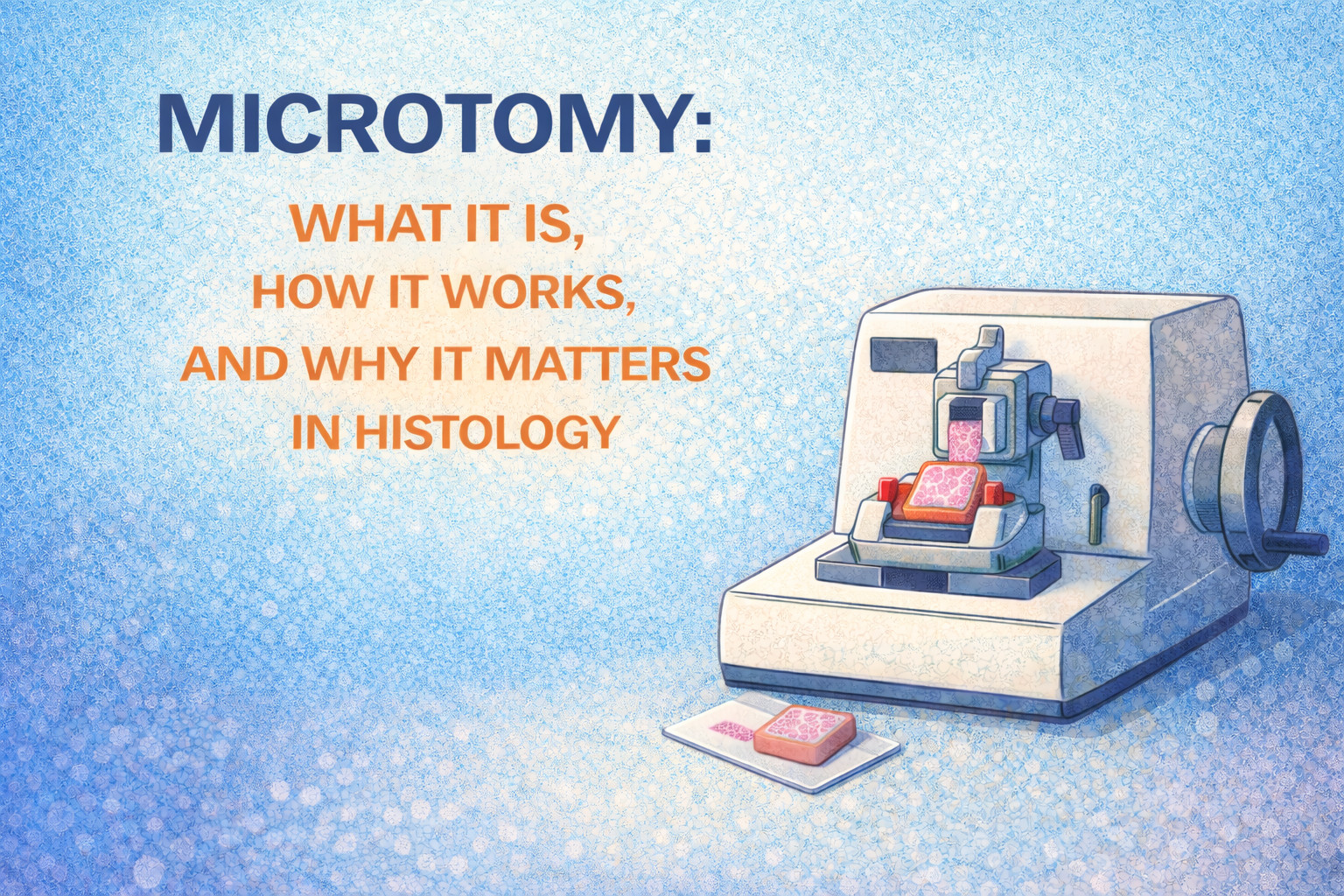
Microtomy: What It Is, How Tissue Sectioning Works, and Why It Matters in Histology

Microtomy What It Is, How It Works, and Why It Matters in Histology

Microtomy is the process of cutting extremely thin slices of biological tissue so they can be examined under a microscope. These sections are essential for accurate diagnosis, research, and teaching in histology and pathology. Precision during this step directly affects slide quality, staining consistency, and microscopic interpretation.

This guide explains how tissue sectioning works, what equipment is involved, common challenges laboratories face, and why technique matters just as much as the tools used.


What Microtomy Is and Why It’s Used

In histology, tissue samples must be thin enough for light to pass through them evenly. Most routine laboratory sections are cut between 3 and 5 microns, though some applications require thicker or thinner sections depending on the diagnostic or research goal.

This technique is used in:

  • Clinical pathology laboratories
  • Hospitals and outpatient surgical centers
  • Research and academic institutions
  • Veterinary and forensic labs

Without consistent section thickness and clean ribbon formation, staining artifacts and distorted structures can compromise results.


How the Tissue Sectioning Process Works

Microtomy is one step in a controlled workflow designed to preserve tissue structure from collection to microscope slide.

1. Fixation

Tissue is preserved using fixatives such as formalin to prevent degradation and autolysis.

2. Processing

Water is removed and replaced with paraffin or freezing media, preparing the specimen for support during cutting.

3. Embedding

The tissue is positioned inside a paraffin block or frozen medium so the area of interest is correctly oriented at the block face.

4. Sectioning

Thin sections are cut using a microtome or cryostat. The goal is to produce a smooth ribbon of sections with uniform thickness.

5. Mounting

Sections are floated on a warm water bath to remove wrinkles and then mounted onto glass slides.

6. Staining

Slides are stained to highlight cellular and structural details for microscopic evaluation.

Each step influences the next, but sectioning is where most quality issues become visible.


Types of Microtomy Techniques

Different applications require different approaches to tissue preparation and cutting.

Paraffin Sectioning

The most common method for routine histology. Paraffin provides support while allowing sections to be cut as thin and consistent as possible.

Frozen Sectioning

Performed using a cryostat, this method allows for rapid analysis during surgical procedures. Frozen tissue is cut at low temperatures, but section quality can be more challenging to control.

Resin and Semi-Thin Sectioning

Used primarily in research, semi thin sections allow higher resolution than paraffin while remaining suitable for light microscopy.


Equipment Used in Microtomy

Accurate sectioning depends on both the instrument and supporting tools.

Common equipment includes:

  • Rotary and sliding microtomes
  • Cryostats for frozen tissue
  • Disposable or reusable blades
  • Water baths and slide warmers

Blade condition, alignment, and cleanliness all play a critical role in preventing defects such as chatter or compression.


Key Variables That Affect Section Quality

Even with good equipment, technique determines results. Several variables influence how cleanly tissue is cut.

Block Face Preparation

An uneven block face can cause tearing or incomplete sections. Proper trimming ensures consistent contact between tissue and blade.

Cut Speed

Excessive cut speed can compress tissue or cause chatter. Slower, controlled motion improves ribbon formation.

Temperature and Thermal Expansion

Paraffin and tissue expand and contract with temperature changes. Improper cooling can lead to cracking, compression, or distorted morphology due to thermal expansion.

Air Bubbles

Trapped air bubbles in the paraffin block weaken support and often result in holes or skipped areas within sections.


Common Sectioning Problems and How to Fix Them

IssueLikely CauseRecommended Fix
Wrinkled sectionsBlock too warmChill block and reduce cutting speed
CompressionDull blade or high speedReplace blade and slow the cut
ChatterHard tissue or vibrationAdjust blade angle and stabilize block
Poor ribbon formationUneven block faceRe-trim block evenly
TearingAir pockets in paraffinRe-embed tissue if needed

Identifying these problems early helps prevent wasted slides and repeat work.


Why Microtomy Quality Matters

Accurate diagnosis relies on clear, artifact-free slides. Inconsistent thickness or damaged tissue can:

  • Mask cellular detail
  • Affect stain uptake
  • Lead to misinterpretation

Well-executed sectioning ensures reproducibility, reduces rework, and supports confident clinical decisions.


Who Performs Microtomy

This work is typically carried out by trained professionals, including:

  • Histotechnologists (HT / HTL)
  • Pathology technicians
  • Research histology specialists

Experience improves consistency, especially when working with challenging tissues or specialized applications.


Final Thoughts

Microtomy is more than simply cutting tissue—it is a precision skill that combines proper preparation, controlled technique, and well-maintained equipment. When performed correctly, it produces reliable, high-quality slides that form the foundation of histologic analysis.

Understanding how variables like block preparation, cut speed, and temperature interact allows laboratories to improve outcomes, reduce artifacts, and maintain diagnostic accuracy.


Additional Resources & References


Daavlin 7 Series Phototherapy Unit: Buying, Selling, Pricing, and What to Know

If you’re researching the Daavlin Series 7 phototherapy unit, you’re likely in one of three situations:

  • You’re looking to buy one
  • You already own one and are considering selling it
  • You’re trying to understand the Daavlin 7 Series price and whether it makes sense for your practice or situation

This guide explains what the Daavlin Series 7 is, how it’s used, what affects its value and pricing, and how to buy or sell one responsibly.


If you’re researching the Daavlin 7 Series, you’re typically in one of three situations:

  • You’re looking to buy a Daavlin 7 Series phototherapy unit
  • You already own a Daavlin 7 Series and are considering selling it
  • You’re trying to understand the Daavlin 7 Series price and whether it makes sense for your clinic, practice, or home-therapy program

This guide explains what the Daavlin 7 Series is, how it’s used, what affects its value and pricing, and how to responsibly buy or sell a Daavlin 7 Series phototherapy unit.


What Is the Daavlin 7 Series?

The Daavlin 7 Series is a full-body clinical phototherapy cabinet designed to treat psoriasis, vitiligo, and other photoresponsive skin conditions using:

  • Narrowband UVB (311 nm)
  • UVA
  • Combination-spectrum lamp configurations

The Daavlin 7 Series is commonly used in:

  • Dermatology clinics
  • Hospital outpatient departments
  • Physician-supervised home phototherapy programs

The Daavlin 7 Series phototherapy cabinet is known for its high-output design, consistent dosing, and durable clinical-grade construction, making it one of the most widely recognized full-body phototherapy systems in use today.


Who Buys a Daavlin 7 Series?

Typical buyers of the Daavlin 7 Series include:

  • Dermatology and phototherapy clinics
  • Hospitals and outpatient care centers
  • Specialty practices expanding light-therapy services
  • Patients enrolled in physician-directed home phototherapy programs

Buyers evaluating a Daavlin 7 Series typically look for:

  • Verified manufacturer and model (Daavlin 7 Series)
  • Known usage and service history
  • Proper electrical and safety compliance
  • Availability of replacement lamps and service parts
  • Professional inspection and long-term support

What Is the Daavlin 7 Series Price?

The Daavlin 7 Series price can vary significantly based on whether the unit is new or used, its configuration, and its overall condition.

Factors that influence Daavlin 7 Series pricing include:

  • Lamp type (Narrowband UVB vs UVA vs combination)
  • Number of lamps and cabinet configuration
  • Year of manufacture
  • Cosmetic and functional condition
  • Documented service history
  • Parts and lamp availability
  • Shipping, freight, and logistics

Because new clinical phototherapy cabinets represent a substantial investment, many clinics and individuals choose to buy used Daavlin 7 Series units or sell existing units when upgrading equipment.


Can You Sell a Used Daavlin 7 Series?

Yes — used Daavlin 7 Series phototherapy units can often be resold, depending on condition, configuration, and serviceability.

At Amtech Medical, we actively evaluate and purchase Daavlin 7 Series units that meet clinical, safety, and service standards.


What Affects the Resale Value of a Daavlin 7 Series?

Several factors determine the resale value of a Daavlin 7 Series phototherapy cabinet:

Lamp Configuration

Narrowband UVB (311 nm) Daavlin 7 Series systems typically have the highest demand.

Age and Usage

Newer units with documented maintenance history generally retain more value.

Physical Condition

Units with intact doors, panels, wiring, controls, and enclosures command higher resale prices.

Serviceability

Ongoing availability of replacement lamps and service parts is critical.

Location and Logistics

Freight access, pickup requirements, and shipping distance can affect final pricing.


Information We Need to Evaluate Your Daavlin 7 Series

If you’re considering selling a Daavlin 7 Series, please provide:

  • Manufacturer and model: Daavlin 7 Series
  • Lamp type and lamp count
  • Year of manufacture or original purchase
  • Current functional and cosmetic condition
  • Location (city and state)
  • Clear photos, including:
    • Front of the unit
    • Manufacturer label / serial plate
    • Control panel
    • Lamp area (if accessible)

How to Sell Your Daavlin 7 Series to Amtech Medical

We make selling your Daavlin 7 Series phototherapy unit straightforward:

  1. Send us your unit details and photos
  2. We review the information and confirm fit
  3. If the unit qualifies, we follow up with an offer or next steps

Contact Information:

Email: info@amtechmedical.com
Subject Line: Daavlin 7 Series for Sale

Or use our contact form for additional information.


Why Work With Amtech Medical?

We specialize in clinical-grade dermatology and phototherapy equipment, including the Daavlin 7 Series. That means:

  • We understand phototherapy systems
  • We know how to properly evaluate Daavlin 7 Series units
  • We ensure safe, compliant resale
  • We support equipment throughout its lifecycle

Our goal is to ensure that any Daavlin 7 Series phototherapy unit we purchase or resell remains safe, supported, and appropriate for clinical or supervised use.


Final Thoughts on the Daavlin 7 Series

Whether you’re buying, selling, or researching the Daavlin 7 Series price, working with an experienced medical equipment provider helps ensure a safe, informed, and financially sound decision.

If you have a Daavlin 7 Series you’re considering selling — or if you’re evaluating options to acquire one — Amtech Medical is happy to help.


Frequently Asked Questions

1. What is the Daavlin 7 Series used for?

The Daavlin 7 Series is a full-body clinical phototherapy cabinet used to deliver UVA or Narrowband UVB (311 nm) light therapy for psoriasis, vitiligo, and other photoresponsive skin conditions under medical supervision.

2. Do you buy used Daavlin 7 Series phototherapy units?

Yes. We purchase used Daavlin 7 Series units that are clinical-grade, complete, and suitable for safe resale based on condition and serviceability.

3. What information do you need to make an offer?

We need the lamp type, lamp count, age, condition, location, and clear photos of the Daavlin 7 Series, including the control panel and manufacturer label.

4. What affects the value of a used Daavlin 7 Series?

Value is influenced by lamp configuration, age, cosmetic and functional condition, completeness, parts availability, and shipping logistics.

5. Can individuals sell a Daavlin 7 Series, or only clinics?

Both. Clinics, hospitals, dermatology practices, distributors, and individuals can submit a Daavlin 7 Series for evaluation.

6. Do you help with shipping or pickup?

In many cases, yes. Once we review your details, we’ll confirm the best pickup or freight options.


Additional Resources & References

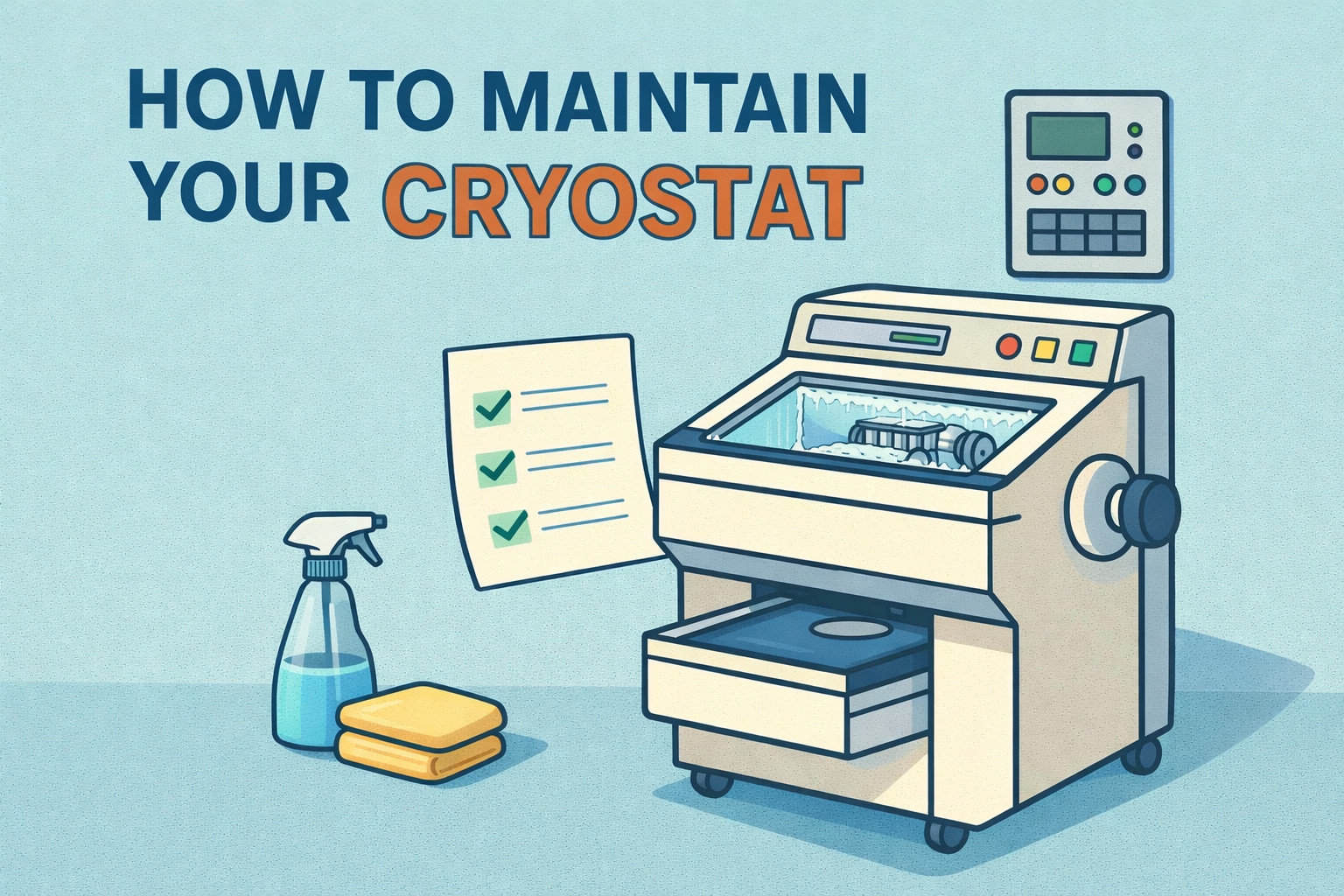
Cryostat Maintenance: Cleaning, Defrosting, and Preventive Care Best Practices

How-to-maintain-your-cryostat

Proper cryostat maintenance is essential for consistent section quality, infection control, and long-term instrument reliability. Whether you’re operating a clinical cryostat daily or supporting a research lab, routine maintenance reduces downtime, prevents ice buildup, and protects both users and specimens.

This guide outlines practical cryostat maintenance procedures based on manufacturer-recommended practices used in high-performance laboratory cryostats, including cleaning, disinfection, defrosting, filter replacement, and critical safety considerations.

Why Cryostat Maintenance Matters

Cryostats operate in extreme temperature conditions and are exposed to biological material, moisture, and cutting debris. Without regular maintenance, several performance and safety issues can develop.

Common issues include

  • Frost and ice accumulation
  • Poor section quality
  • Contamination risk between specimens
  • Reduced cooling efficiency
  • Premature component failure

Proper maintenance ensures

  • Reliable diagnostic results
  • Safer operation for staff
  • Consistent section quality
  • Longer equipment lifespan
  • Predictable system performance
Bottom line: Consistent cryostat maintenance ensures reliable diagnostics, safer operation, and predictable performance in both clinical and research environments.

Daily Cryostat Maintenance Tasks

Remove Section Waste After Each Use

Section waste should be removed after every sectioning operation and before changing specimens. Accumulated debris increases contamination risk and interferes with airflow and temperature stability.

  • Use an extraction system if equipped
  • Alternatively, remove waste with a paper towel soaked in alcohol-based disinfectant
  • Avoid starting chemical disinfection until anti-roll components are repositioned
Best practice: This simple step is one of the most effective cryostat maintenance habits for reducing contamination risk and maintaining consistent performance.

Wipe Down High-Contact Surfaces

At the end of each session, clean all high-contact and exposed areas inside the cryochamber to reduce contamination risk.

  • Clean exposed surfaces inside the cryochamber
  • Wipe blade holders, anti-roll guides, and waste trays
  • Use approved laboratory disinfectants only
  • Wear gloves and appropriate PPE at all times
Important: Avoid introducing excess liquid, as it can freeze and contribute to ice formation inside the chamber.

Weekly Cryostat Maintenance and Cleaning

Chamber Cleaning and Disinfection

Regular chamber cleaning is a core part of cryostat maintenance and should follow strict handling procedures:

  • Remove all specimens before cleaning
  • Do not use external heaters to dry the chamber
  • Allow all components to dry completely before restarting
  • Never turn the instrument on while moisture is present
Critical: Residual moisture will refreeze and cause frost buildup if the cryostat is restarted too early.

Inspect Blades and Safety Guards

Mechanical inspection is a key part of weekly cryostat maintenance:

  • Inspect knife holders and blade safety guards
  • Confirm handwheel locks function properly
  • Never leave exposed blades unattended
  • Replace damaged or worn blade holders immediately
Best practice: Mechanical safety checks are just as important as cleaning in a complete cryostat maintenance routine.

Scheduled Defrosting and Ice Control

When to Defrost a Cryostat

Defrosting is essential to prevent ice buildup and maintain proper airflow and visibility. It should be performed:

  • On a programmed schedule (often once every 24 hours)
  • When ice buildup affects airflow or visibility
  • Before deep cleaning or servicing

Before Defrosting

  • Remove all specimens
  • Empty waste trays
  • Ensure no samples remain in the chamber
Important: Cryostats are not designed for specimen storage. Prolonged refrigeration can dehydrate tissue and compromise diagnostic results.

Safe Defrosting Practices

Proper defrosting is critical to maintaining cryostat performance and preventing recurring ice buildup.

Use built-in hot gas defrost systems when available
Do not touch heated components during defrost
Allow the chamber to fully dry before restarting
Never accelerate drying with external heat sources
Important: Improper defrosting is one of the most common causes of repeat ice problems in cryostats.

Filter and Airflow Maintenance

HEPA Filter Replacement

If your cryostat uses a HEPA filtration system, routine replacement is essential for maintaining airflow and contamination control.

  • Replace filters approximately every 3 months
  • Label filters with the installation date
  • Remove filters before full defrost cycles
  • Dispose of used filters according to laboratory regulations
Why it matters: Moisture-damaged filters lose effectiveness and can restrict airflow, reducing cooling efficiency.

Extraction System Care

For cryostats equipped with section extraction systems, regular maintenance is required to ensure proper airflow and debris removal.

  • Clean hoses regularly using approved disinfectants
  • Replace hoses after repeated cleanings
  • Seal unused extraction ports with silicone stoppers
  • Prevent debris from entering the extraction opening
Best practice: Neglecting airflow components is a hidden but common cryostat maintenance failure point.

UVC Lamp Maintenance and Safety

Some cryostats include integrated UVC lamps for chamber decontamination. Proper handling is critical for safety and effectiveness.

  • Replace the UVC lamp when indicator lights signal failure
  • Disconnect power before replacement
  • Never operate UVC systems with the chamber window open
  • If a lamp breaks, evacuate the area and follow mercury cleanup protocols
Safety note: UVC lamps contain mercury and must be handled and disposed of according to laboratory safety regulations.

Long-Term Cryostat Maintenance Best Practices

To extend instrument life and reduce service calls, cryostats should be maintained not only internally—but also within a properly controlled environment.

Maintain room temperature and humidity within specifications
Avoid placing cryostats under HVAC vents
Keep condenser areas free of dust
Schedule professional service inspections as recommended
Use only manufacturer-approved parts and accessories
Key insight: Environmental control plays a major role in long-term cryostat performance and reliability.

Final Thoughts on Cryostat Maintenance

Effective cryostat maintenance is not a single task—it’s a routine. Daily cleaning, scheduled defrosting, filter changes, and safety checks all work together to preserve section quality, protect staff, and extend the life of a critical laboratory instrument.

Laboratories that prioritize maintenance experience fewer failures, more consistent results, and lower long-term service costs.

Need help? If you need replacement parts, filters, service support, or preventive maintenance guidance, working with a qualified biomedical equipment provider can significantly improve performance and reliability.

Looking for a Replacement Cryostat?

Need a reliable cryostat without the high cost of buying new? At Amtech Medical, we offer a curated selection of high-quality used cryostats designed for clinical and laboratory environments.

Every system is professionally inspected, refurbished, and tested to ensure dependable performance, safety, and long-term reliability.

Cost-Effective
Get premium equipment at a fraction of the cost of new systems.
Fully Refurbished
Thoroughly inspected, calibrated, and ready for immediate use.
Expert Guidance
Our team helps you select the right cryostat for your workflow.

References & Further Reading


Additional Resources

Why Amtech Medical Created a New Equipment Leasing Program (and Why It Matters for Dermatology & Histology Practices)

For most dermatology clinics, Mohs labs, and histology laboratories, acquiring essential medical equipment comes with one inevitable challenge: upfront cost. Cryostats, microscopes, slide stainers, fume hoods, and laser systems are not only expensive to purchase—they also require ongoing maintenance, repair, and eventual replacement.

For years, the industry standard has been simple: buy the device outright (new or refurbished) or go without. Clinics shoulder the capital expense. They absorb the depreciation. They manage service costs. And when equipment fails outside warranty, they carry the financial burden.

The Amtech Medical Equipment Leasing Program was built to change that model entirely.

Why This Leasing Program Exists

In a detailed discussion, Michael—Biomedical Engineer and creator of the Amtech Equipment Leasing Program—explained why the traditional ownership model no longer serves modern practices. The goal was simple: remove the biggest financial barriers clinics face and replace unpredictable equipment costs with predictable monthly investment.

1. Upfront Costs Are the #1 Barrier to New Equipment

“Medical equipment is expensive,” Michael said plainly.

A typical Mohs lab setup includes:

  • Cryostat
  • Microscope
  • Linear slide stainer
  • Fume hood with stand

To purchase these items refurbished (not new), the average clinic is looking at approximately $25,000 upfront.

Estimated Refurbished Equipment Costs:
  • Cryostat: ~$12,000
  • Linear stainer: ~$6,500
  • Microscope: ~$3,500
  • Fume hood + stand: ~$2,500

This does not include installation, consumables, service calls, or post-warranty repairs.

For many clinics—especially startups, expanding groups, or single-provider labs—that capital outlay is prohibitive. The leasing program converts that large upfront investment into a manageable monthly payment.

2. Most Clinics Don’t Account for Ongoing Maintenance & Repair Costs

When clinics purchase equipment outright, most systems include a 1–2 year warranty. After that period, the full responsibility shifts to the owner.

Cryostat service, refrigeration failures, circuit boards, laser components, calibration issues—none of these repairs are inexpensive. After warranty expiration, practices often face $2,500 or more per year in maintenance and repair costs across their lab equipment.

Under the Amtech Equipment Leasing Program:
  • Annual preventive maintenance is included
  • Repairs are fully covered
  • Parts and labor are included
  • Loaner equipment is provided when needed

The only exclusions are consumables and documented misuse.

How the Medical Equipment Leasing Program Solves All Three Problems

Michael designed the leasing model with one objective in mind: eliminate every major reason clinics hesitate to invest in equipment.

Here’s how the program addresses cost, risk, and downtime simultaneously:

  • Zero (or near-zero) upfront cost
    Only a predictable monthly lease payment — no surprise fees.
  • Full-service warranty for the entire lease
    Annual maintenance and repairs are included.
  • No depreciation risk
    Clinics do not absorb the loss in value over time.
  • No downtime — equipment swaps included
    If a device cannot be repaired same day, Amtech delivers a replacement unit.
  • Access to equipment you otherwise couldn’t justify
    Upgrade technology without committing $10,000–$30,000 upfront.

For many practices, this model is the difference between “maybe someday” and “let’s upgrade now.”

The Downtime Problem Most Clinics Underestimate

One of the largest hidden costs of medical equipment ownership is downtime.

When a cryostat fails mid-day…

When a laser throws an error code…

When a slide stainer refuses to cycle…

Every lost hour means:

  • Delayed patients
  • Procedure cancellations
  • Rescheduled surgeries
  • Interrupted workflow
  • Lost revenue

Under the leasing program, downtime is dramatically reduced.

“If we can’t fix it the same day,” Michael explained, “we simply bring another unit and swap it out.”

Few companies—especially OEMs—offer that level of responsiveness. For high-volume dermatology and Mohs practices, this may be the single greatest benefit of the leasing model.

Why the Used Equipment Market Works Against Clinics

During the discussion, the comparison to the automotive market came up — and the distinction is important.

Why medical equipment depreciates differently than cars:
  • Cars have millions of buyers — medical equipment has a highly specialized buyer pool.
  • Cars can be serviced almost anywhere — medical devices require certified technicians.
  • Used cars retain consumer resale value — medical devices must often be refurbished before resale.

When clinics attempt to sell used equipment, they typically have only two options:

  • List the device online and accept a heavily discounted price.
  • Sell it back to service companies at a fraction of the original cost.

For lean practices, that depreciation hit is significant. Leasing removes that burden entirely. Clinics no longer worry about resale value, buyer pools, or market fluctuations — they simply use the equipment and focus on patient care.

How the Amtech Medical Equipment Leasing Program Works (Step-by-Step)

Michael broke the process down simply. The program was built to be clear, predictable, and easy to implement.

  1. Tell us what equipment you need
    Mohs lab, histology lab, laser room — anything.
  2. Receive a pricing sheet
    Lease rates for 1–5 year terms. Each additional year lowers the monthly cost.
  3. Choose your lease length
    1 year minimum. 5-year leases offer the best rate.
  4. Sign the paperwork
    Simple, straightforward, no hidden clauses.
  5. Installation & setup
    Amtech delivers the equipment and installs everything.
  6. Full-service coverage begins immediately
    Repairs, maintenance, replacements — all included.
  7. At lease end, choose to:
    Renew at a lower rate, or return the equipment — no questions asked.

The program is designed to be simple, predictable, and completely stress-free for the clinic.

Helping Clinics Access Better Technology

The leasing program wasn’t built to simply sell more equipment.

It was built to help practices:

  • Grow without large capital expenses
  • Reduce financial risk
  • Avoid downtime
  • Try new technologies
  • Replace failing devices quickly
  • Run labs more efficiently

“It’s designed for the doctor. We want clinics to be able to use great equipment without breaking the bank.”

For Mohs surgeons, dermatologists, histotechs, and med-spa operators, the result is a simpler, safer, and more cost-predictable way to operate.

Ready to Explore Equipment Leasing for Your Practice?

Speak with our team to review pricing options, equipment availability, and custom lease structures tailored to your clinic.

Request Leasing Information →

Fast response • Transparent pricing • Nationwide support